 1
1
Define What You Produce
Send the material, diameter range, wall thickness or SDR, target output and expected line speed. That is enough for us to size the extruder and match it to the die head and downstream.
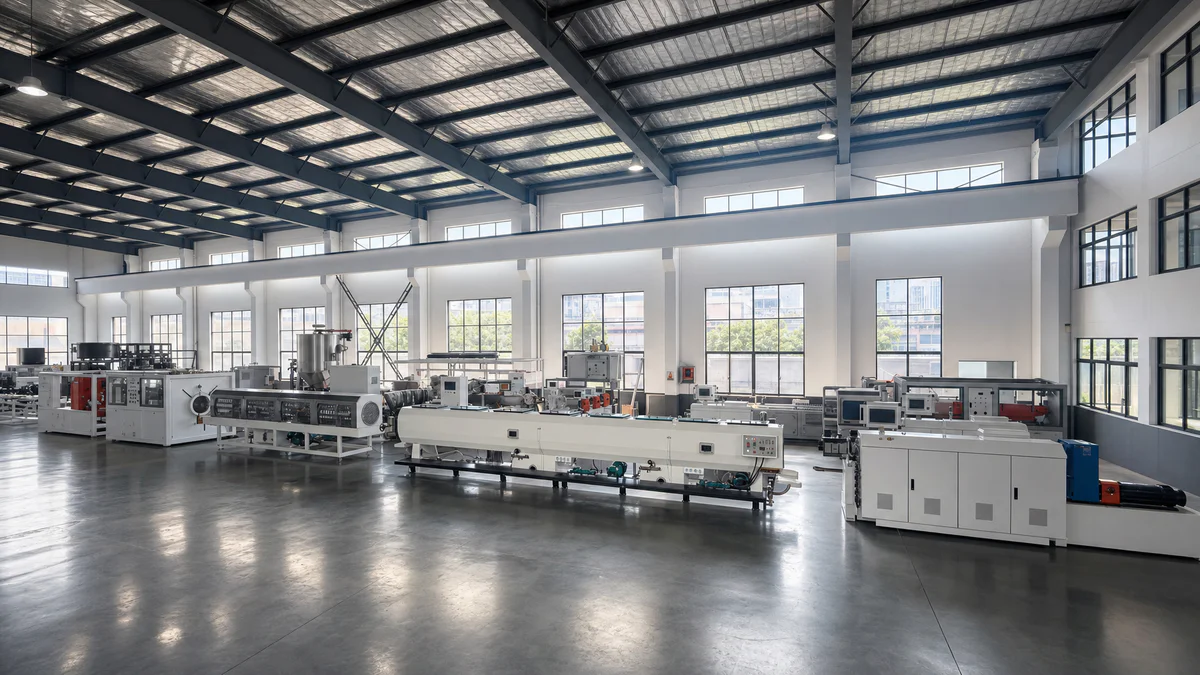
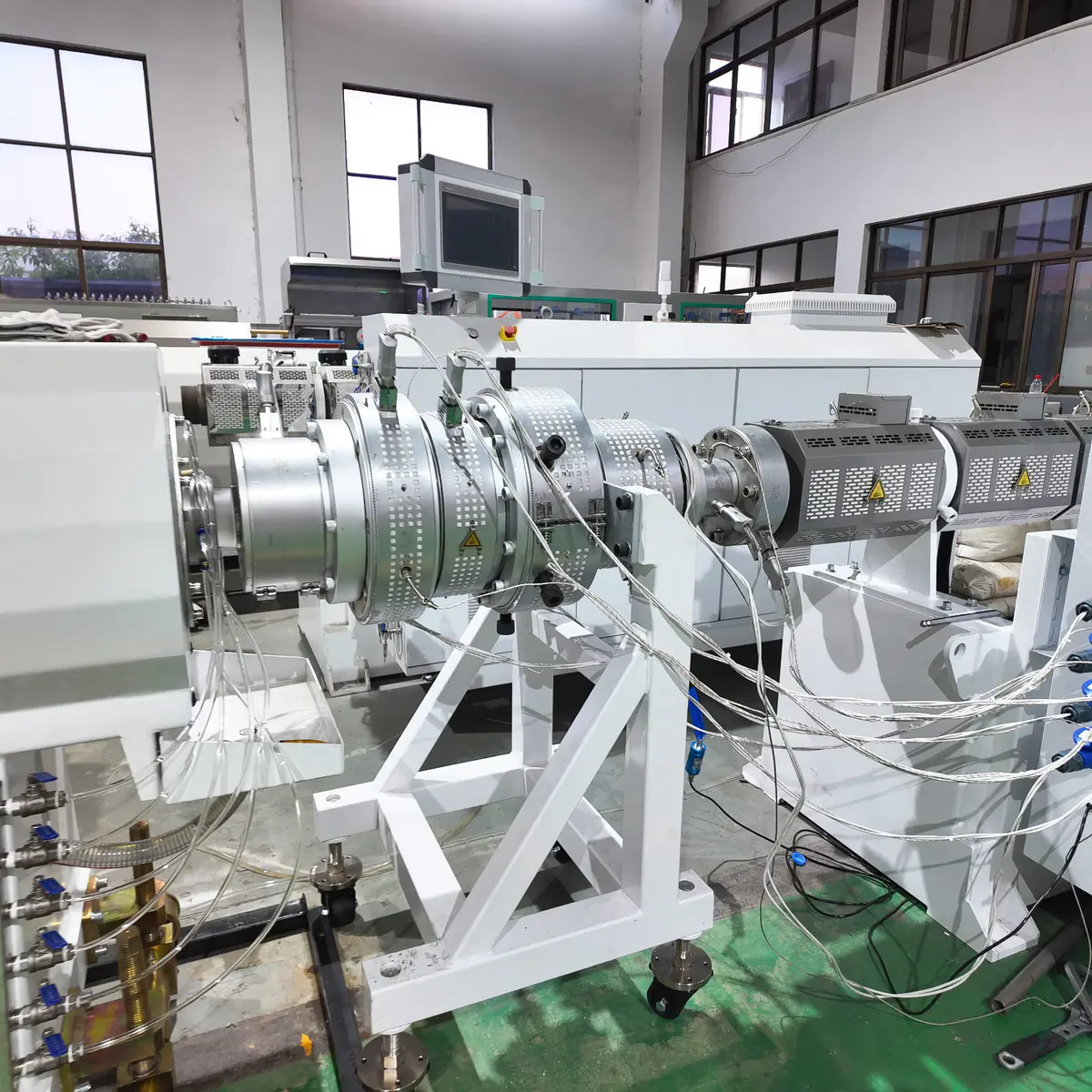
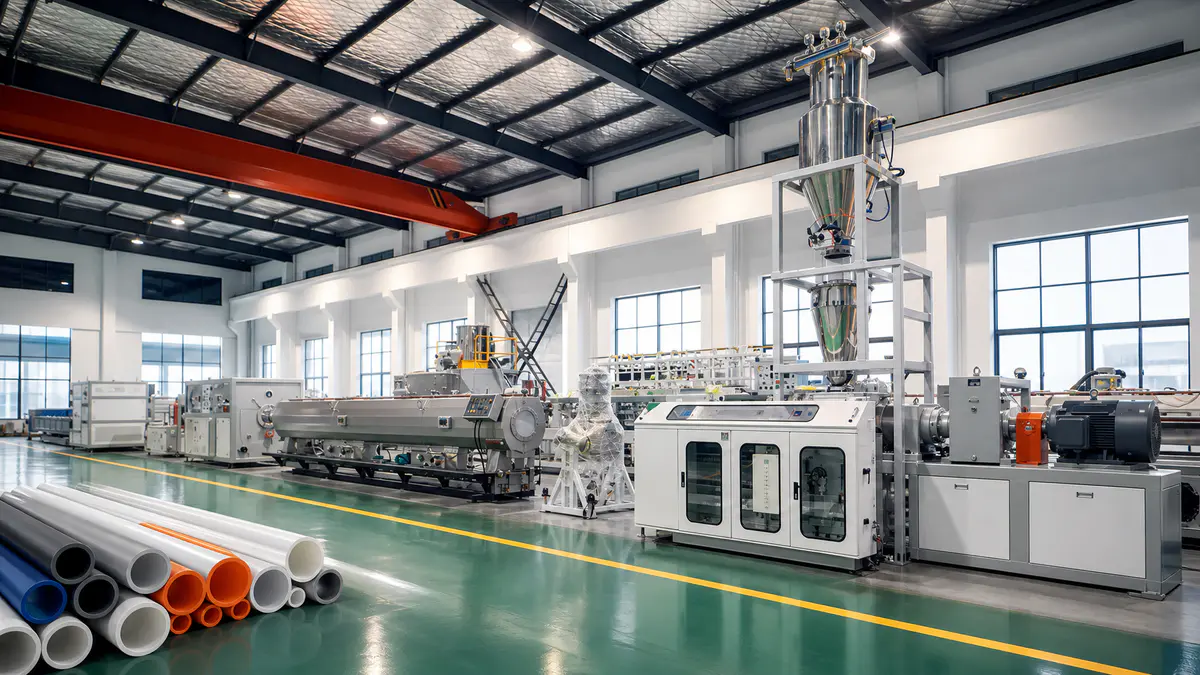
We manufacture single screw extruders, twin screw extruders and co-extruders for PVC, HDPE, PE, PPR and other plastic pipe production.
Tell us your material, pipe size range, wall thickness, target output and formulation. If you are replacing an existing extruder, send us the current machine details, die connection and downstream configuration. We recommend the extrusion setup based on how you actually run production.
Jump to whatever answers your question first, whether you are picking a screw size, matching a machine to your material, or getting your specs in front of us for a quote.
Match a machine to your line
Single, twin and co-extruders
How we spec your machine
Swapping an existing machine
Mistakes that cost output
Design, steel and treatment
Motor, gearbox, controls
kg/h against kWh per kg
Die and downstream matching
What we build in house
Run tested before shipment
Wear parts and service
Full extrusion line options
Lead time, payment, shipping
Voltage, MOQ, warranty
Your material decides the starting point. The final configuration is then matched to your formulation, pipe diameter, wall thickness and required output, so two plants running the same material can still end up with different screw sizes.
| Your Production | Recommended Starting Point | Selection Focus |
|---|---|---|
| PVC / UPVC Pipe | Conical Twin Screw Extruder | PVC dry blend, stable feeding and plasticization |
| High Output PVC Pipe | Parallel Twin Screw Extruder | Higher throughput and formulation requirements |
| HDPE / PE Pipe | Single Screw Extruder | Stable polyolefin melting and continuous output |
| PPR / PE-RT Pipe | Single Screw Extruder | Stable melt quality and pipe production |
| Multilayer Pipe | Main Extruder Plus Co-Extruder Two Extruders | Independent control of different material layers |
| Color Stripe Pipe | Main Extruder Plus Co-Extruder Two Extruders | Separate feeding and control of stripe material |
Screw diameter 45mm to 120mm, output 60 to 450 kg/h. Voltage and safety standard configured for your market before shipment.
Swipe the table sideways for all three columns
Five numbers and we can size the machine. Missing one is fine, we will tell you what still matters.
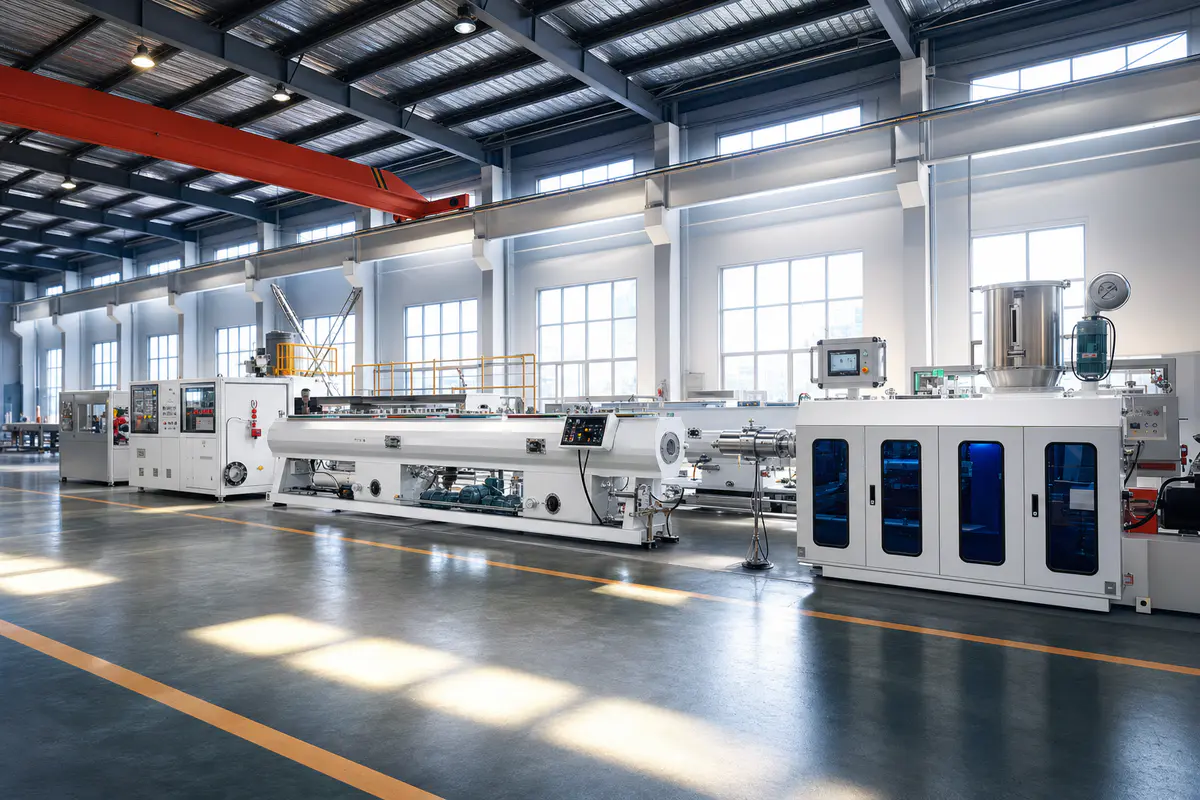
Screw geometry, drive power, heating zones, cooling capacity and the feeding system all shift with your formulation and pipe range. We confirm these production conditions first, then recommend the final extruder configuration.
Send what you have. Missing one item is fine, we will tell you what still matters.
Quote, machine list and line layout drawing back within 24 hours.
Single screw, twin screw and co-extrusion configurations, built around the material you run, your formulation and the output you need to hit. Every extruder runs inside our complete lines, and every one can be built to order as a standalone machine for your existing setup.
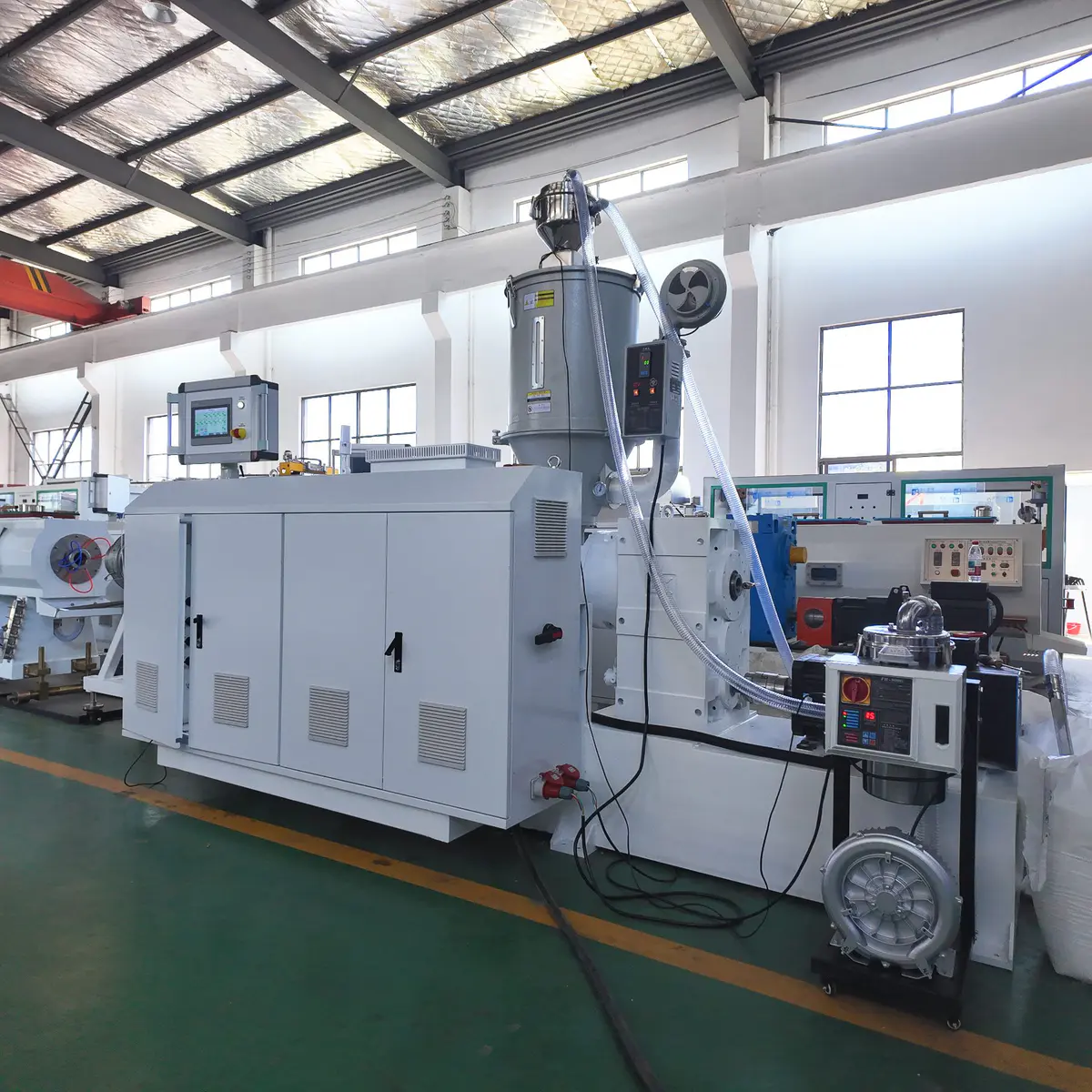
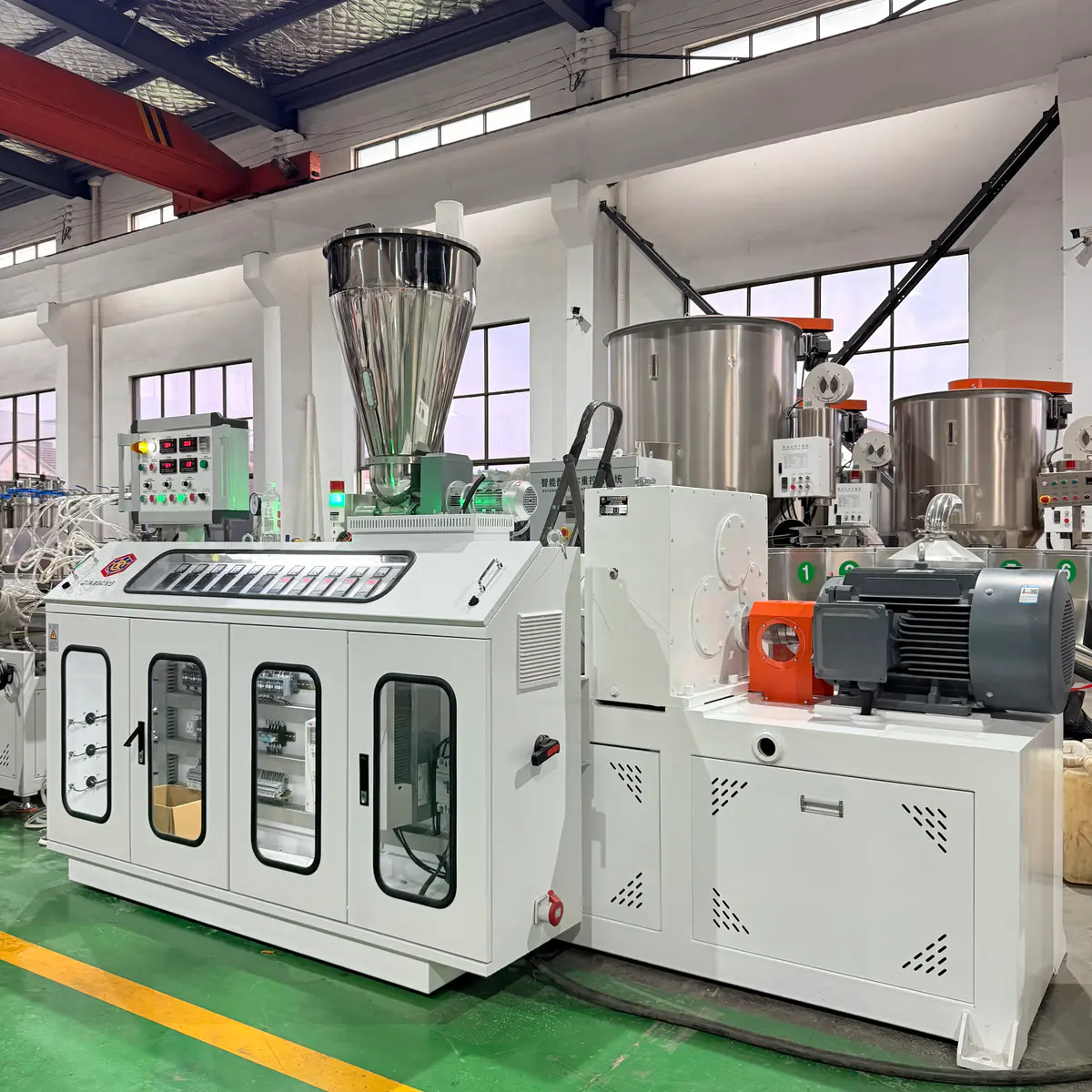
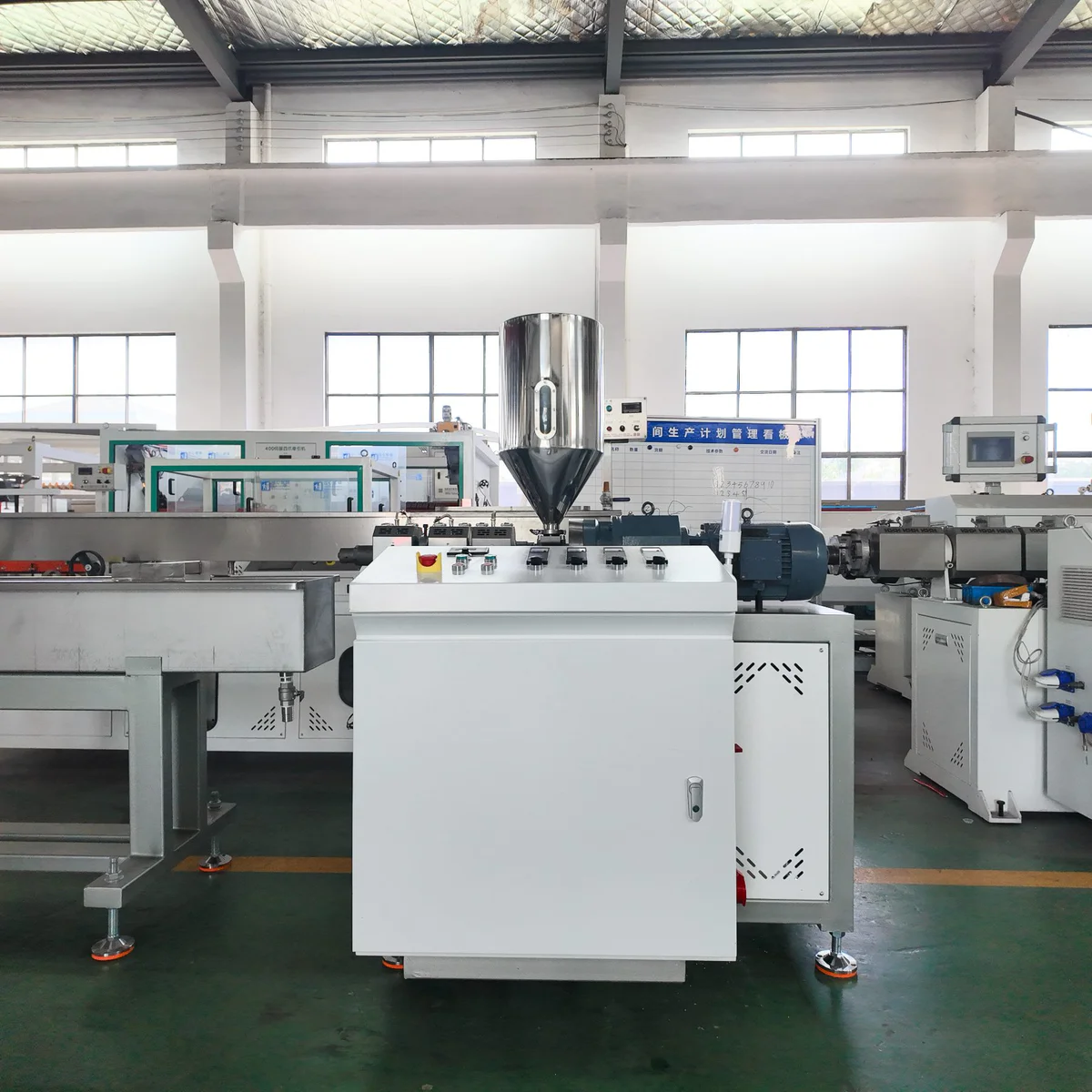
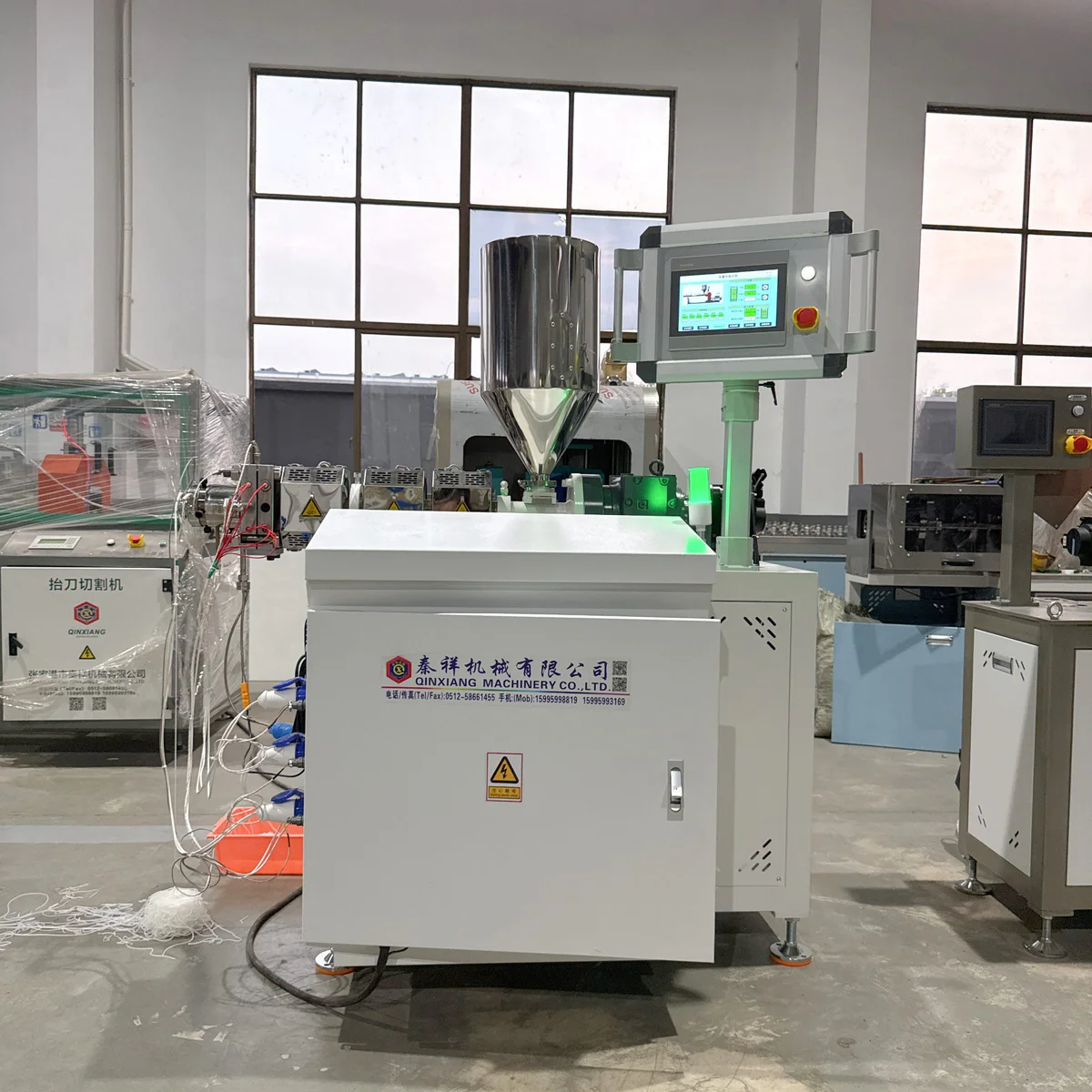
Send your pipe size range, material and formulation, and your target output in kg/h. We come back with the machine that fits and the reason it fits, before anything is quoted. If you are replacing an existing extruder, include the current screw diameter and die connection so the new machine drops into your line.
A model number does not tell us whether a machine fits your plant. We work through your material, formulation, pipe dimensions, output target and existing equipment first, then define the configuration. Here are the nine things we confirm with you.
Two plants running the same resin can still need different screw sizes. Your formulation, wall thickness and line speed move the machine as much as the material does.
You will not have every answer ready, and that is fine. Send what you have. We will tell you which gaps actually change the configuration and which ones can wait.
Quote, machine list and layout drawing back within 24 hours.
PVC, HDPE, PE, PPR and PE-RT each feed, melt and plasticize differently, so each one points to a different screw approach. Tell us the exact resin or compound you plan to run, not only the pipe type you sell.
Pellets, powder and dry blend behave differently at the throat, and that decides how the feeding system is built. This matters most when you compare PVC dry blend against pellet based polyolefin production.
For PVC and other modified compounds, the base material is not enough. If your formula carries CaCO3, additives or recycled content, send the approximate composition. It moves screw geometry, torque demand, temperature control and wear protection.
A screw that runs one formulation cleanly can be the wrong screw for another.
Give us the smallest and largest pipe diameter you plan to produce. The range tells us the processing capacity the extruder has to cover.
Diameter alone does not tell us how much material your line has to move. Send the wall thickness, SDR or PN range you produce to. A 110mm thin wall pipe and a 110mm heavy wall pipe pull very different throughput off the same die.
Tell us the production rate you actually need in kg/h. We use it to check screw capacity, drive power, gearbox load and what the rest of the line has to keep up with.
We do not push a larger extruder because a higher maximum output reads better on a quotation. The machine should match the rate you can use.
Output and line speed have to work together. If you are targeting a specific meters per minute, we check whether the extruder holds stable melt at that speed and whether your die, cooling, haul off and cutter can follow. A high output extruder is worth little when the downstream caps the line.
Replacing or upgrading a machine means we look at everything you plan to keep before recommending the new one. Useful details:
The new extruder should fit the line you already own, not force you to scrap equipment that still runs.
Last, we confirm your factory power supply, so the motor, inverter, heating system and electrical cabinet are built for your installation before the machine ships.
Your starting point depends on what you already own. A new pipe line lets us match the extruder to the whole process. A replacement needs a closer look, because the new machine has to work with the equipment you are keeping.
Building a new PVC, HDPE, PE or PPR line, we start from the pipe you want to sell, not from an extruder model. Four things shape the configuration.
1
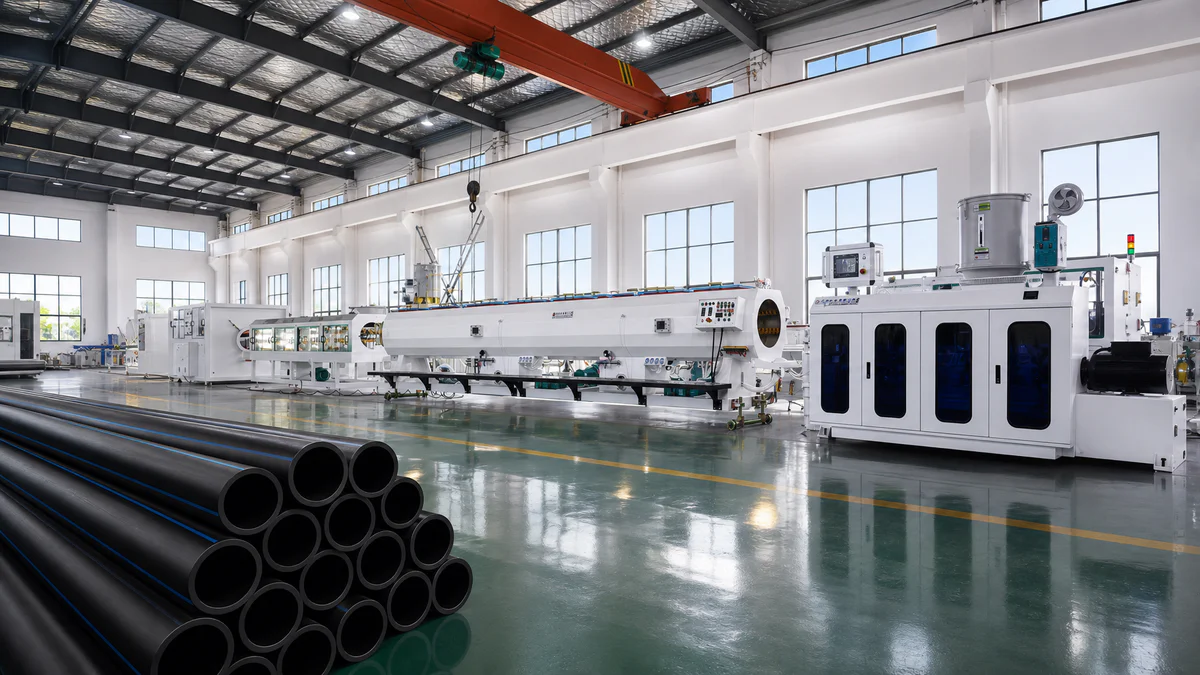
Send the material, diameter range, wall thickness or SDR, target output and expected line speed. That is enough for us to size the extruder and match it to the die head and downstream.
 2
2
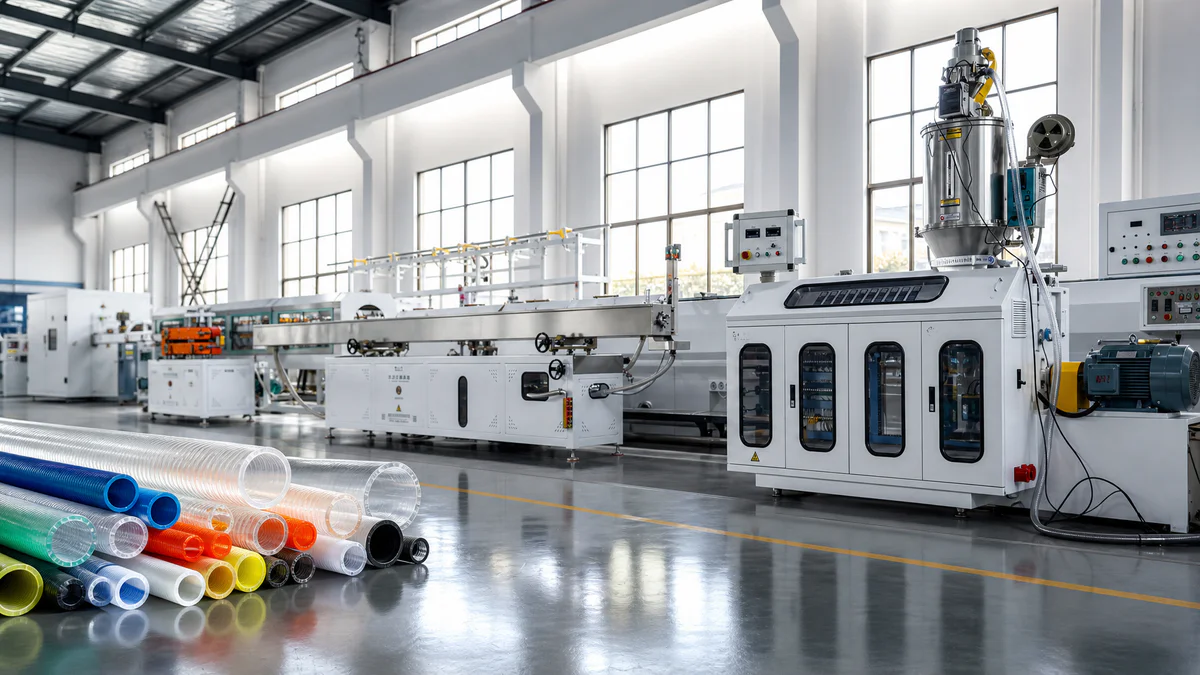
The extruder output has to match the die, vacuum calibration, cooling, haul off and cutter. Oversizing one machine buys you nothing when another section becomes the bottleneck.
 3
3
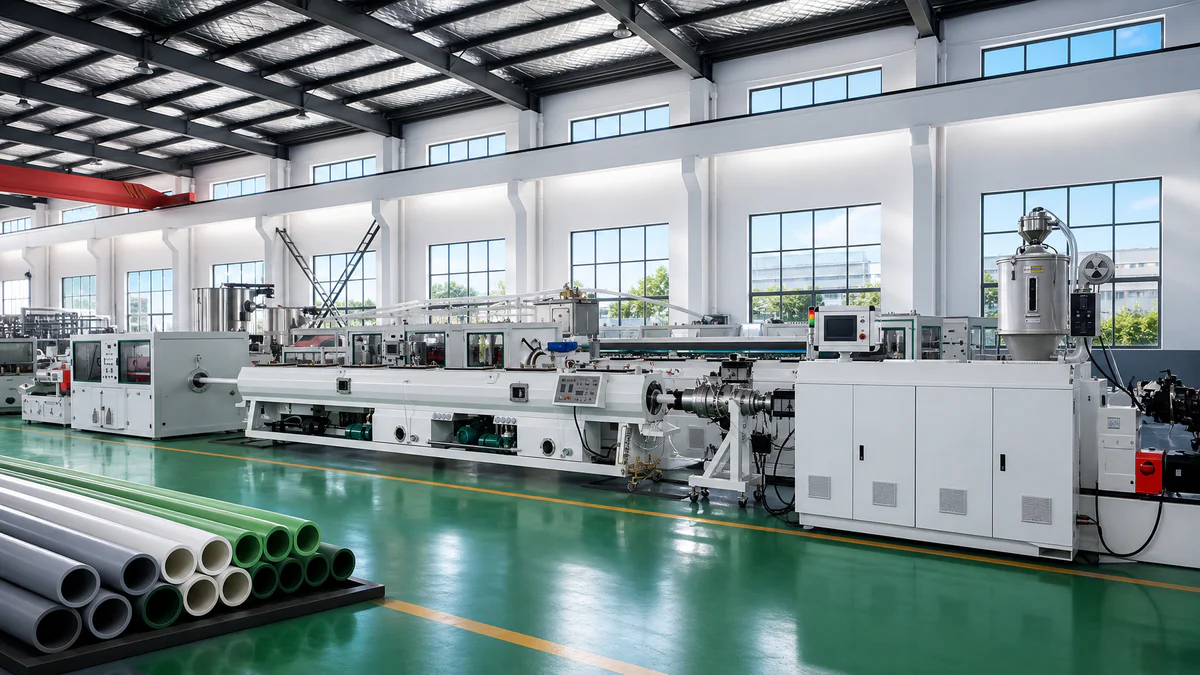
Planning several pipe sizes, or expanding later? Tell us before the configuration is locked. We review the operating range so the machine is not built around one current specification.
 4
4
Before quoting, we settle on the material, a reference pipe specification and the production target. It gives you a real basis for comparing configurations instead of comparing motor power.
For a new project send: material, pipe range, wall thickness, target output, line speed, voltage.
New project or replacement, the review is the same. We go through your production conditions, then confirm whether the machine we propose actually delivers the improvement you are after, or whether something else in the line is holding you back. If a smaller machine solves it, we will tell you that.
Two extruders can read almost identically on a quotation and behave nothing alike on your floor. Before you compare price, check how the quoted output, melt quality, energy use, wear protection and line compatibility were defined.
A quotation showing 300, 500 or 800 kg/h means very little until you know the material and operating conditions behind that number.
The same extruder swings widely with resin grade, PVC formulation, filler content, screw design, pipe specification and how you actually run it.
What output does this extruder hold with my material and my pipe specification?
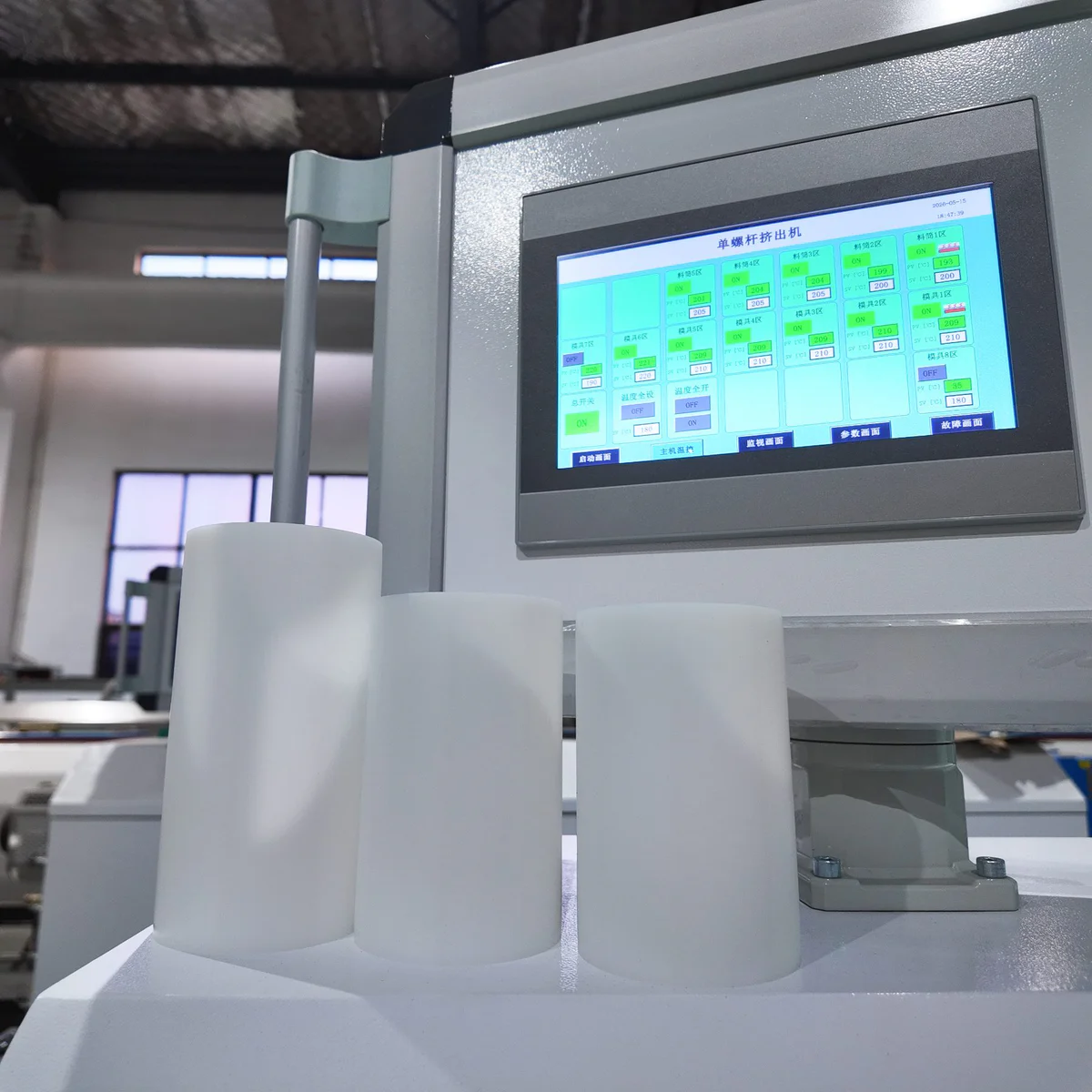
High kg/h buys you nothing if the melt is not properly homogenized. Unstable melting shows up as pipe surface defects, dimensional drift and production you have to babysit.
Adjustment time and scrap eat the throughput you thought you paid for. The screw should be built around your material and processing requirement, not around a maximum throughput figure.
How is the screw configured for my formulation and my required output?
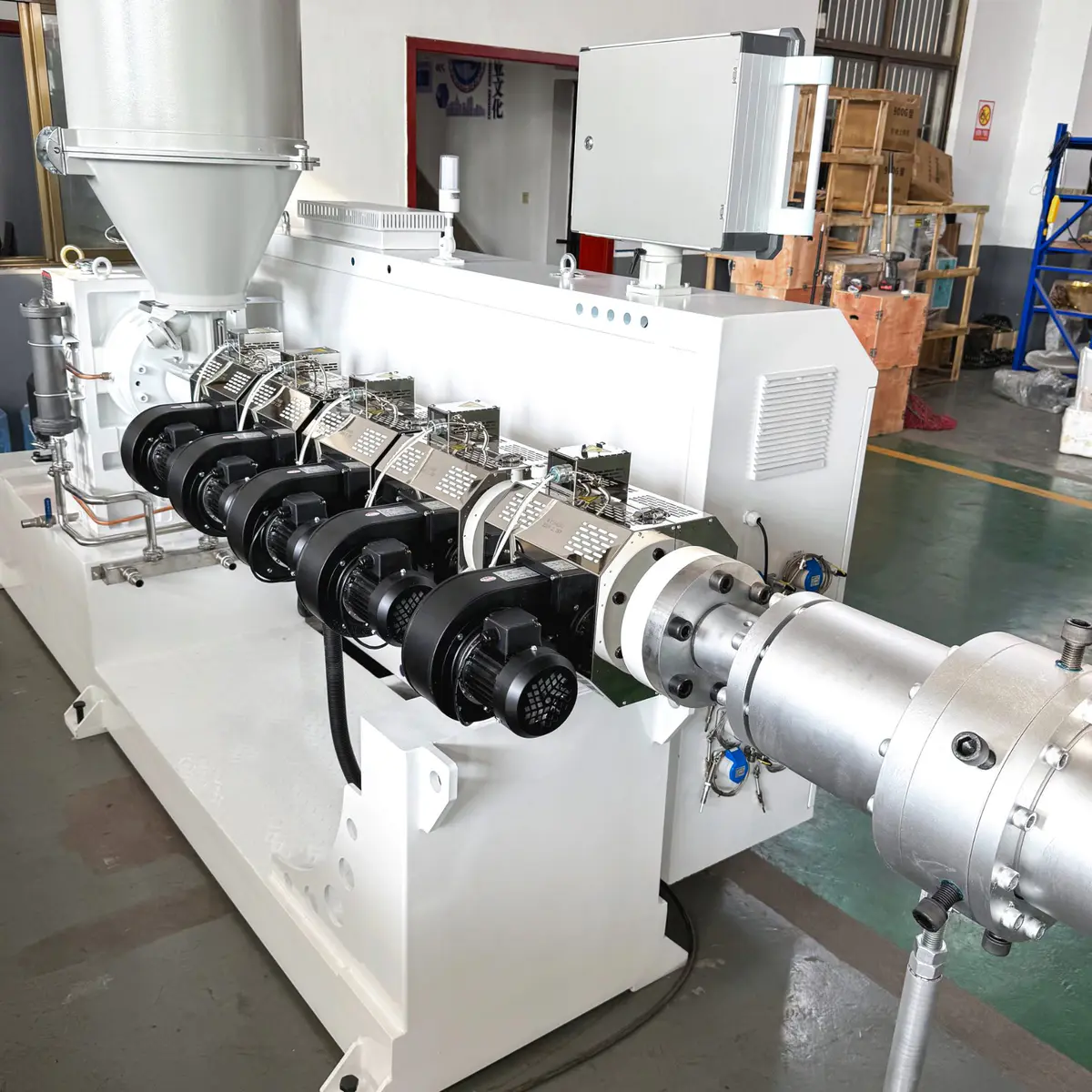
Extrusion runs on a balance of shear, heating and cooling. Push melt temperature too high and both stability and material quality start to give.
This matters most with PVC and anything else with a narrow processing window. A sound configuration reaches full plasticization without leaning on excess melt temperature to get there.
What melt temperature range do you expect under my production conditions?
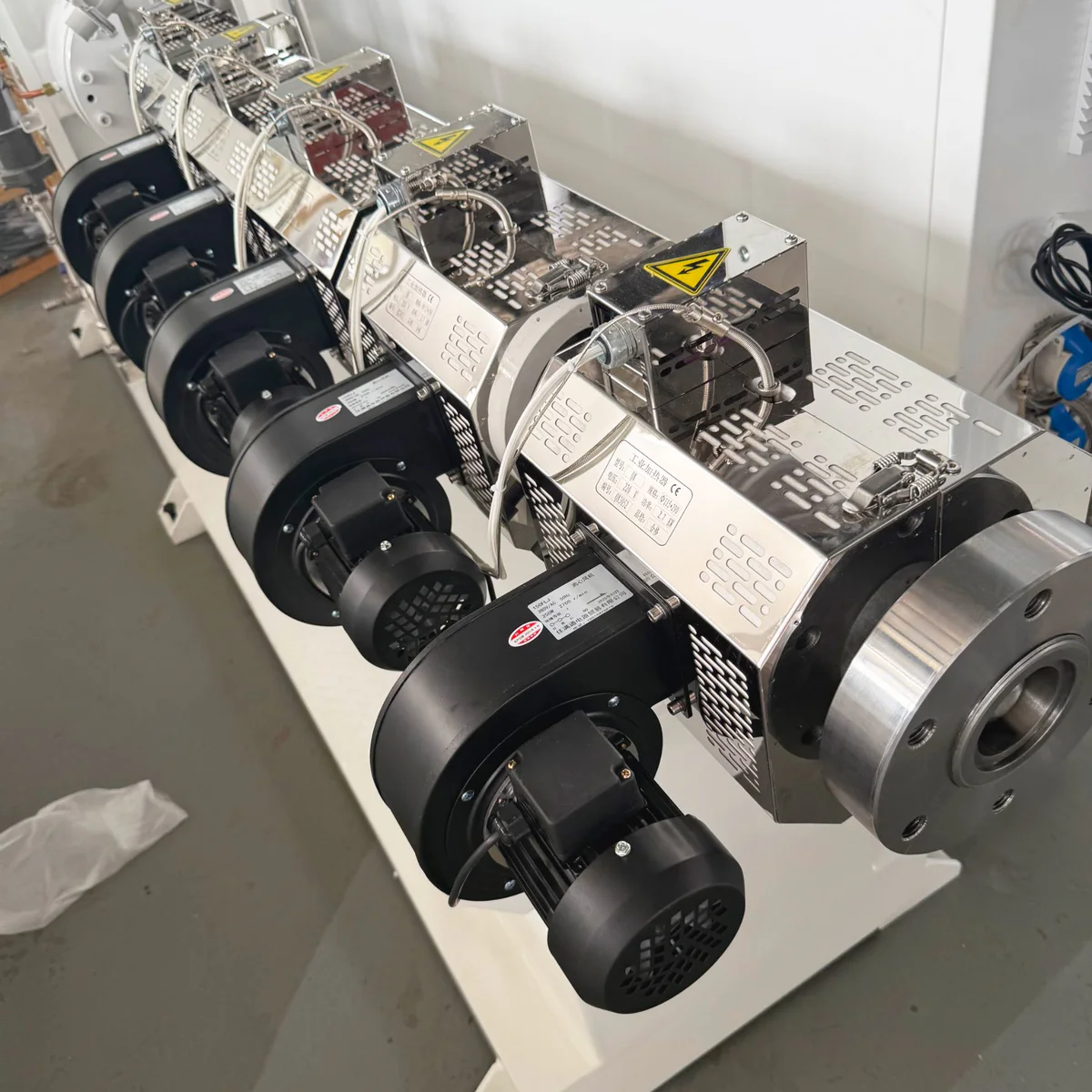
A 90 kW or 110 kW rating tells you nothing about the electricity it takes to make one kilogram of qualified pipe. For production planning, specific energy consumption is the number that matters.
And it only means something compared under similar material, output and operating conditions.
What is the reference energy consumption in kWh/kg under defined production conditions?
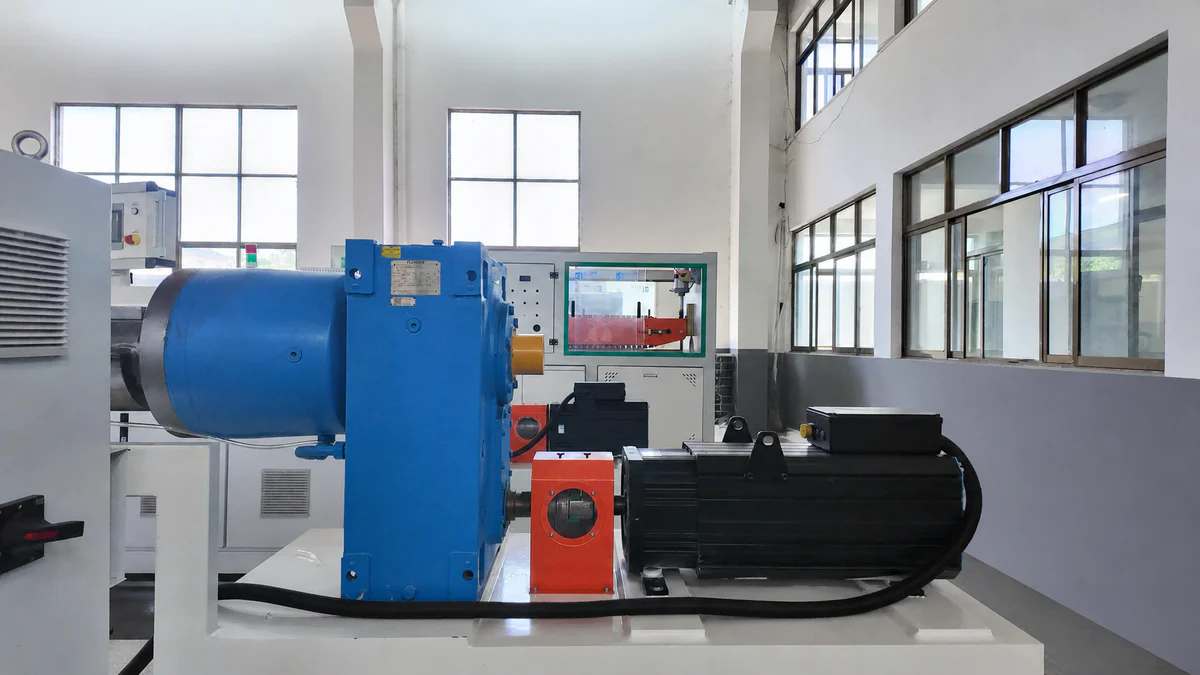
The screw and barrel run continuously against your actual formulation. Filler level, material characteristics, operating conditions and processing unit design all feed into how fast they go.
A demanding formulation may need different screw material, surface treatment or wear protection. The lowest machine price turns expensive fast when the processing unit needs early repair.
What wear protection do you recommend for my formulation?
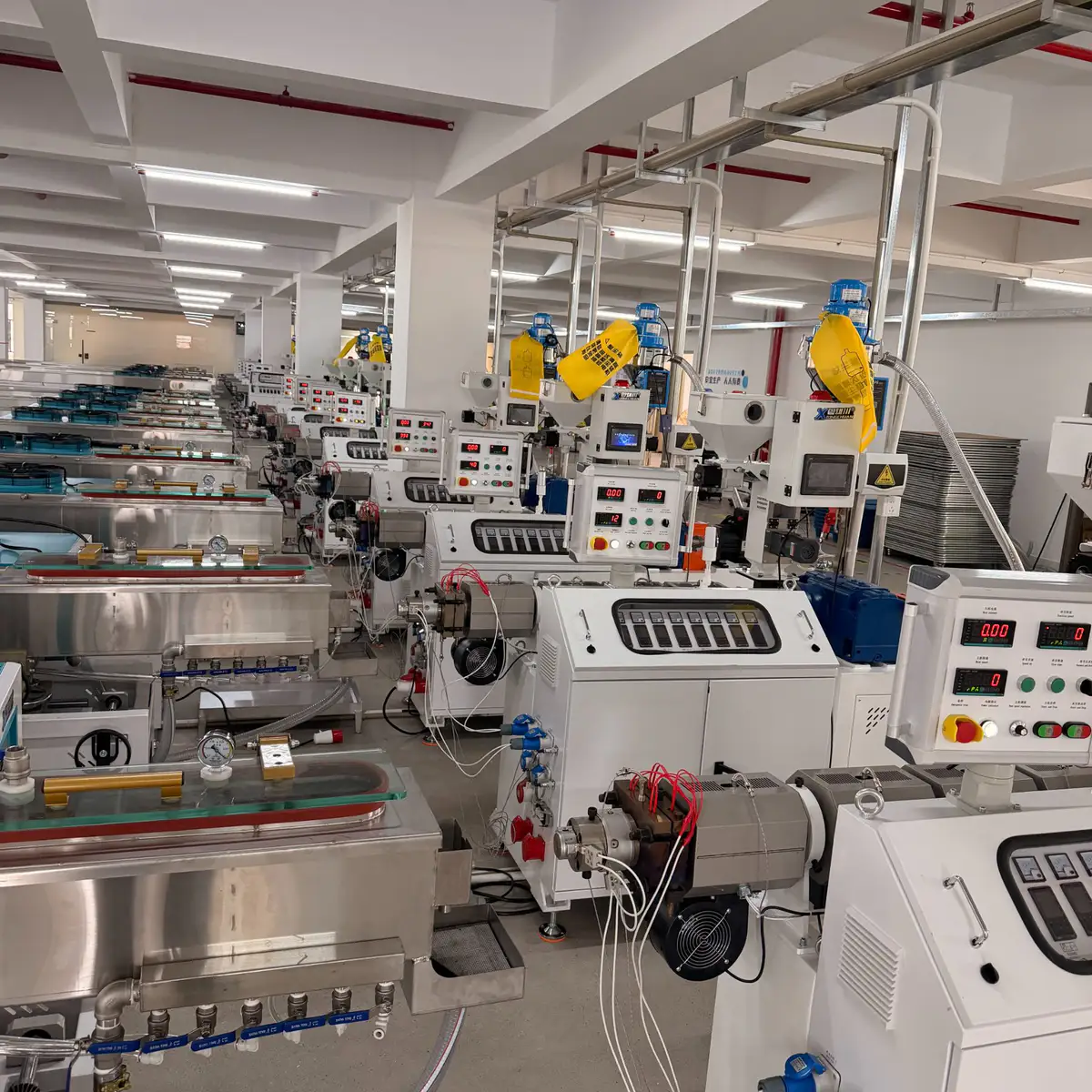
More extruder output does not mean more line output. If the die head, vacuum calibration, cooling section, haul off or cutter cannot run at the new rate, the extra capacity sits unused.
This is where upgrade projects go wrong most often. Check the usable capacity before and after the extruder before you commit to a bigger machine.
Can my existing die and downstream equipment handle the target output?
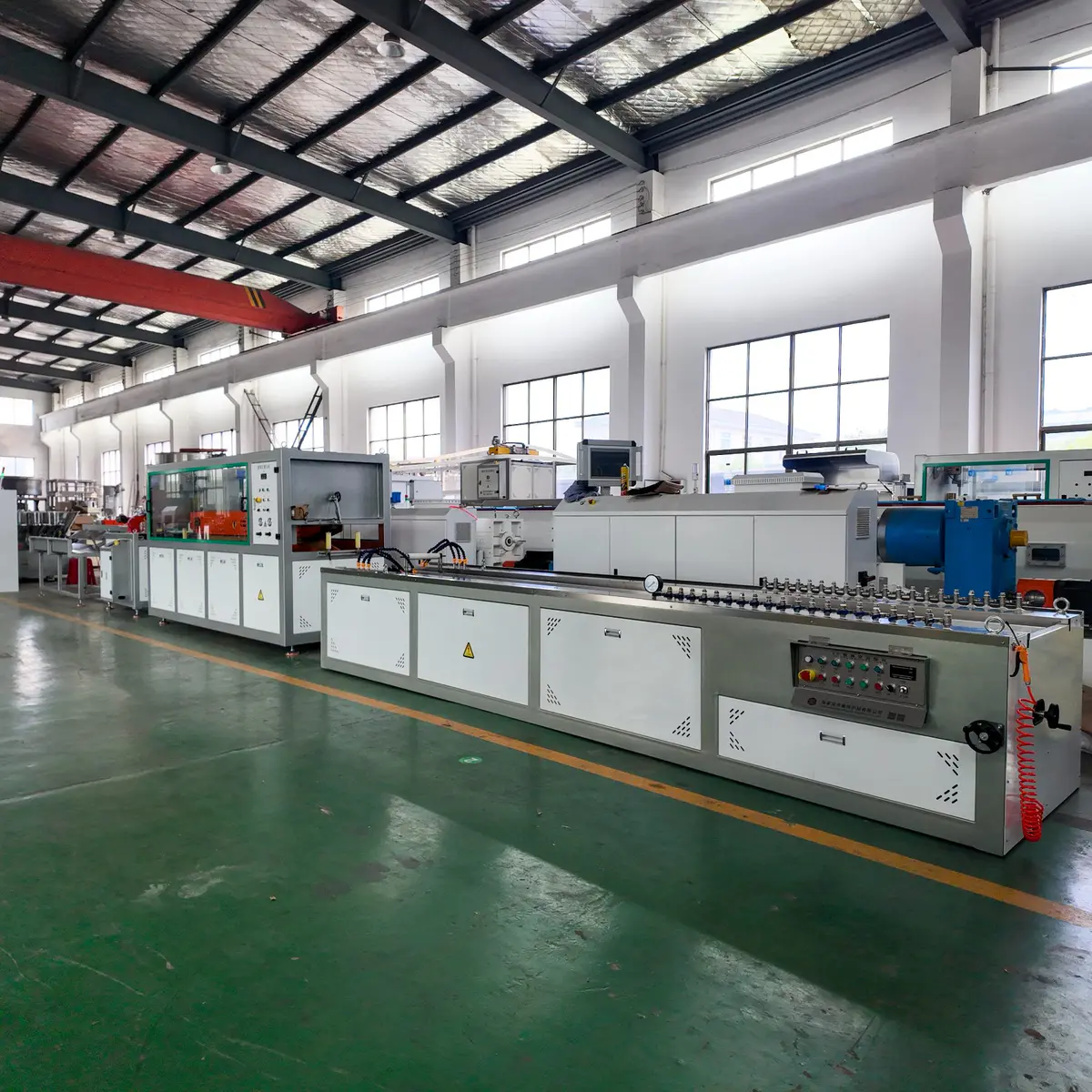
Give every supplier the same production basis:
Then compare the machines on:
A bigger motor or a higher maximum output figure does not make it the better machine for your plant. We answer all six questions in writing for your specific configuration.
The screw and barrel decide how your material is fed, melted, mixed and delivered to the die. They also drive melt temperature, output stability and how fast the processing unit wears through continuous production. That is why we review your material and formulation before finalizing anything.
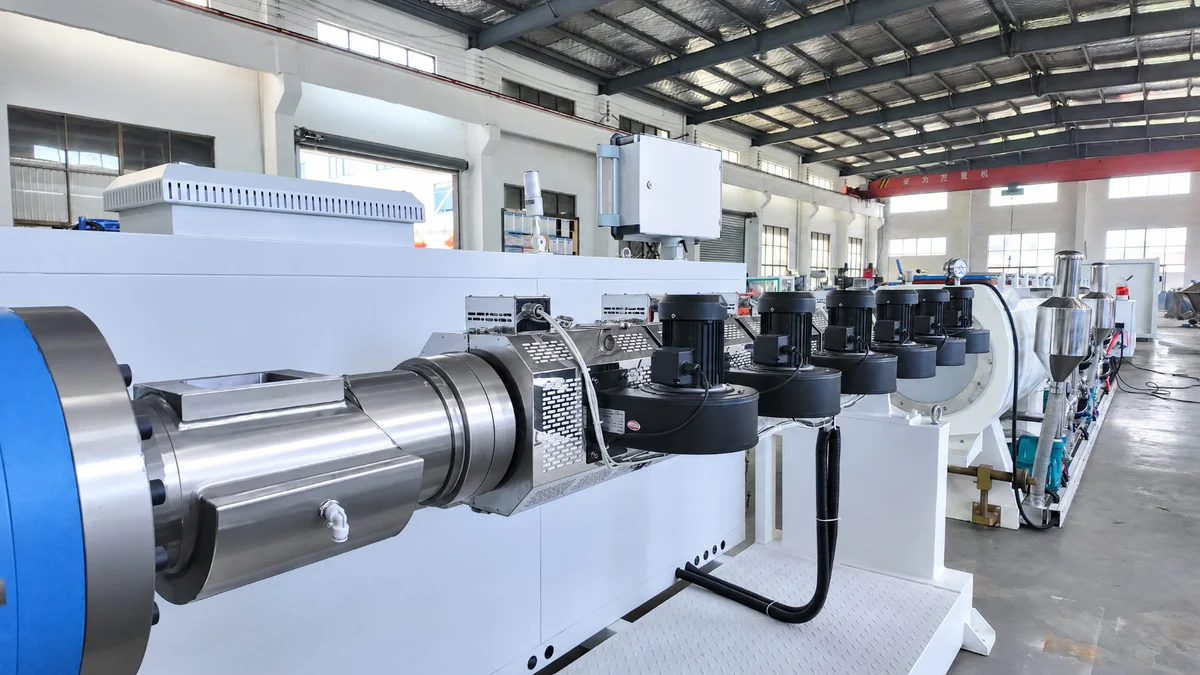
Sized to your material form, pellets, powder or dry blend.
Geometry set for full plasticization without excess shear heat.
Delivers steady melt pressure to the die at your target output.
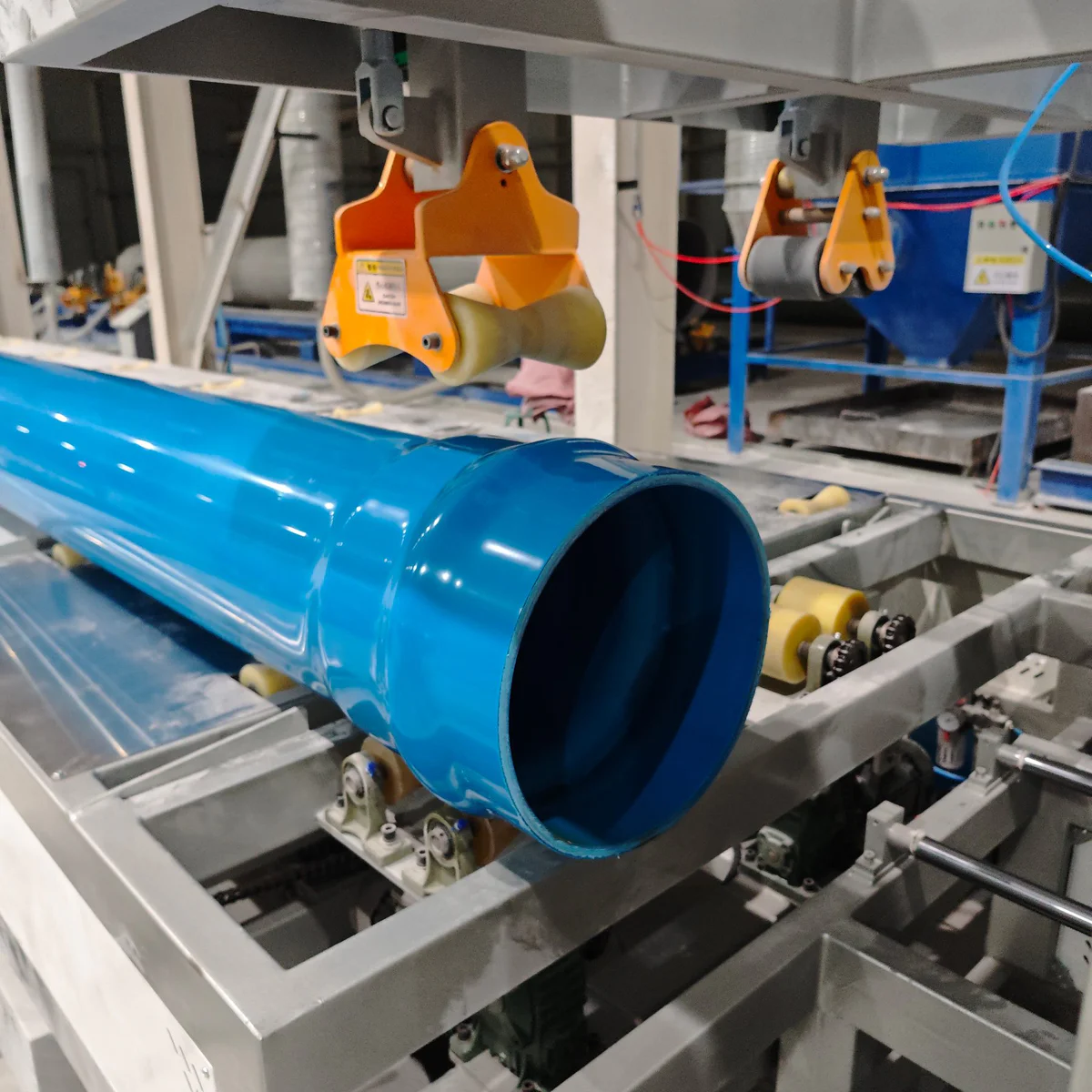
Three material groups, three different processing units. Find yours below.
 Case 01
Control plasticization without overheating
PVC needs controlled feeding, compression, mixing and temperature the whole way down the screw. We look at your dry blend formulation, filler level, additives, required output and pipe range to settle the twin screw configuration.
A higher filler formulation should not inherit the same processing specification as a standard PVC recipe.
We Review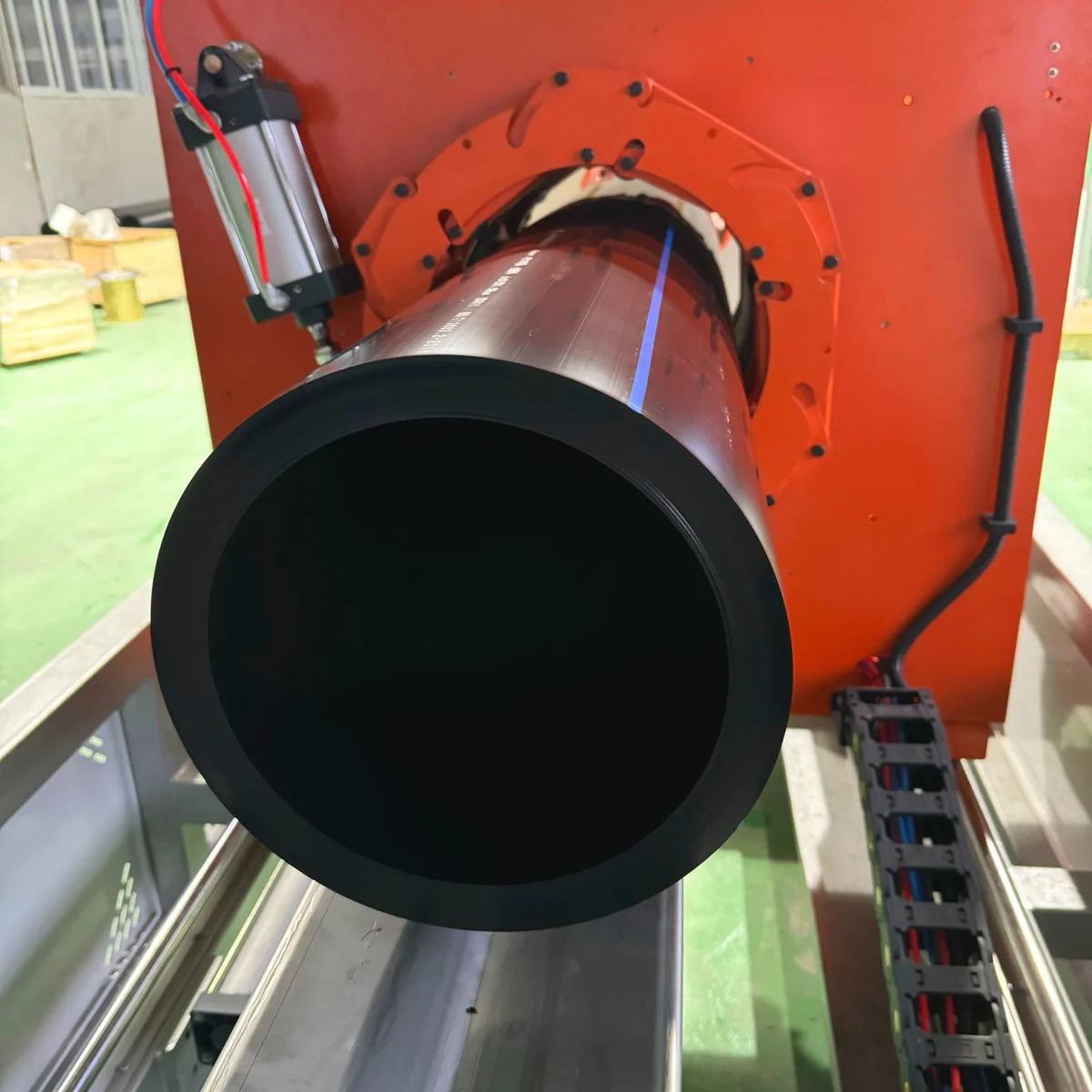 Case 02
Keep the melt stable at production output
For polyolefin pipe, the screw has to feed, melt and homogenize your resin consistently across the whole output range. We review the resin, your required kg/h, the pipe application and the operating range before defining the single screw configuration.
The goal is not higher screw speed. It is your required flow at stable melt quality and controlled temperature.
We Review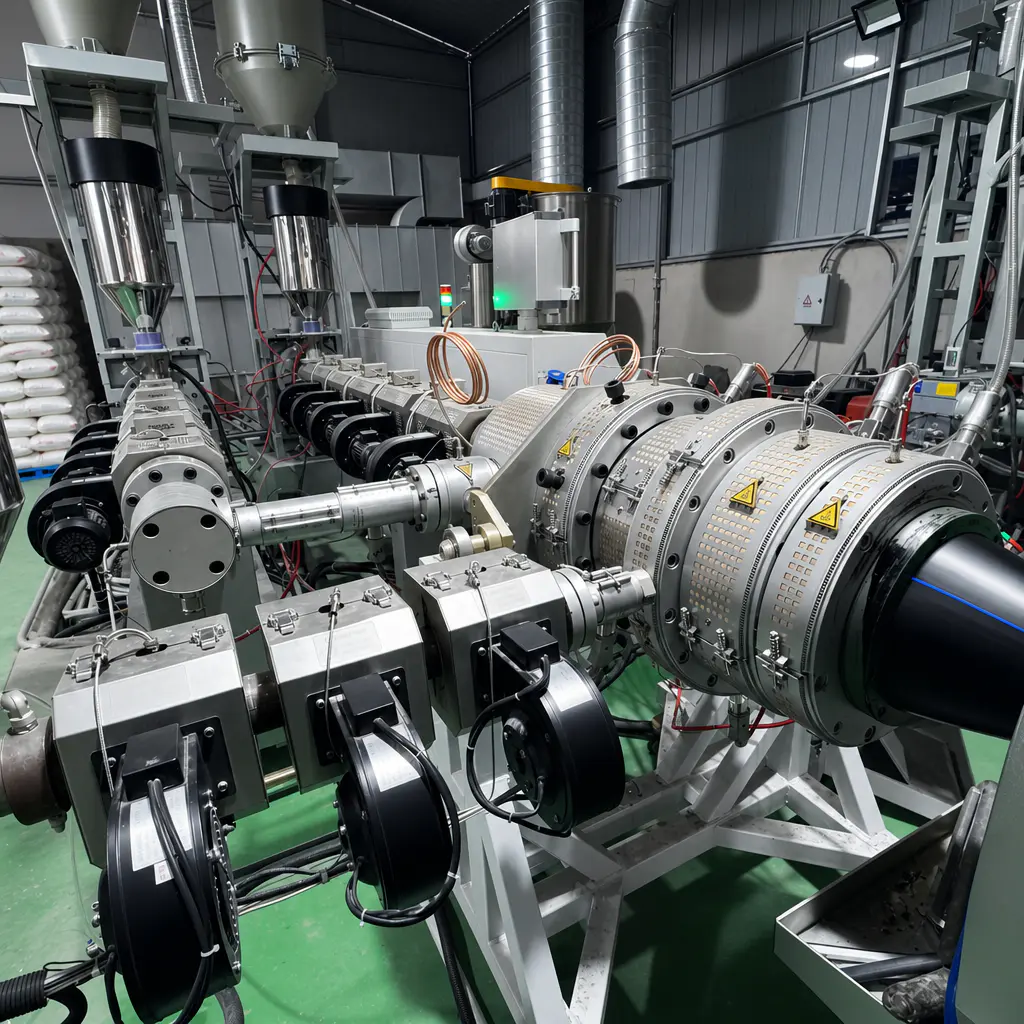 Case 03
Review wear before increasing output
Filler and recycled content change both how the material processes and how fast the unit wears. Running CaCO3, regrind or another demanding formulation? Tell us before the screw and barrel specification is approved.
Picking the processing unit on initial machine price alone is what turns into maintenance cost later.
Tell UsScrew and barrel are quoted as part of the machine, not as an afterthought. Send your material and formulation and we come back with the processing unit specification, including surface treatment where your formulation calls for it.
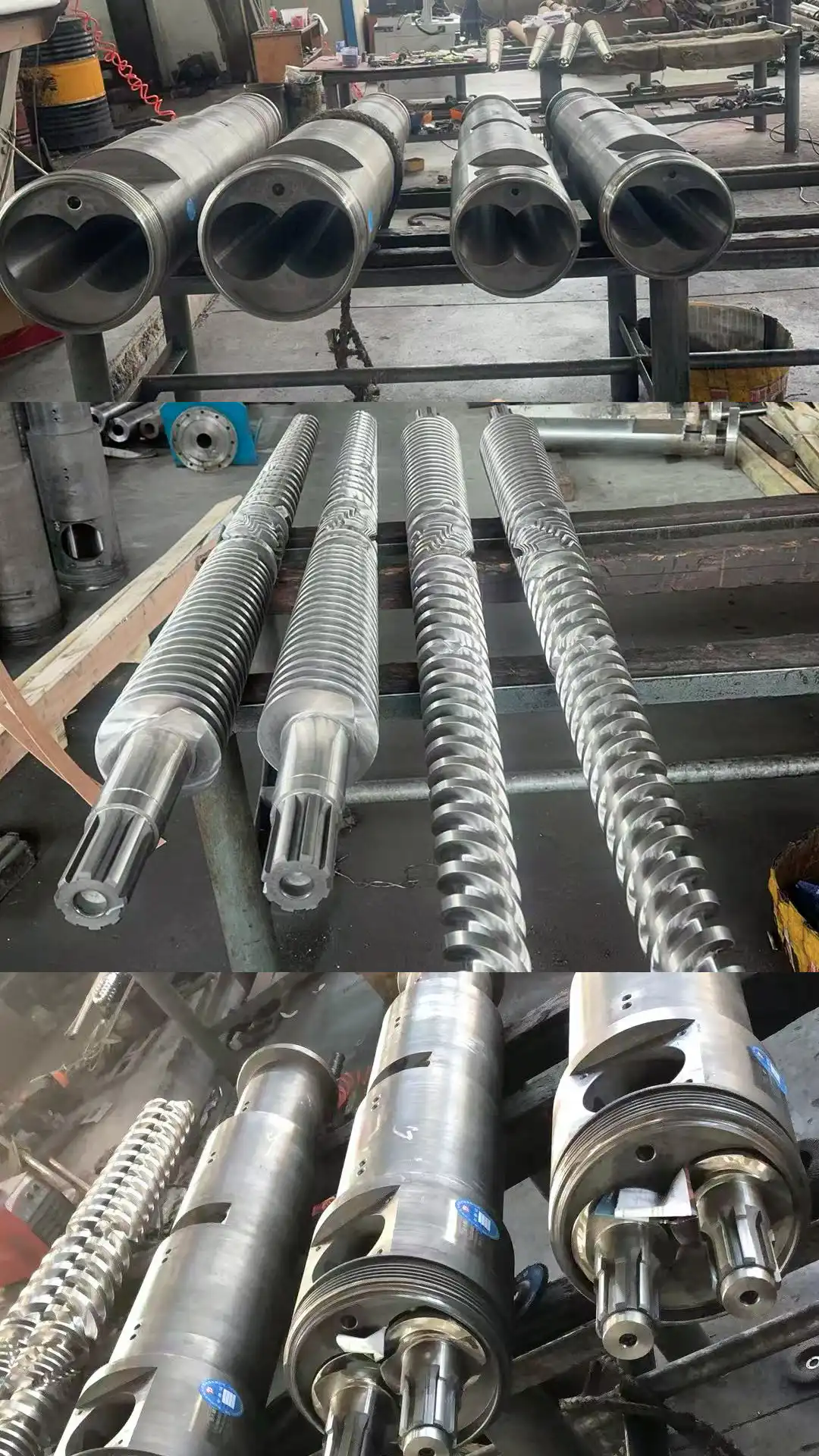
Your screw and barrel specification is reviewed against the material you actually intend to process, not against a standard model sheet. Five things get confirmed with you first.
Matched to your material and the extrusion process you run.
Selected around your required processing range and the machine configuration.
Specified for the operating and wear conditions your formulation creates.
Reviewed whenever your formulation puts higher wear demand on the unit.
Configured to hold stable processing across your full operating range.
Already have a formulation sheet or material data sheet? Send it with your pipe specifications before the processing unit is finalized. It saves a round of questions.
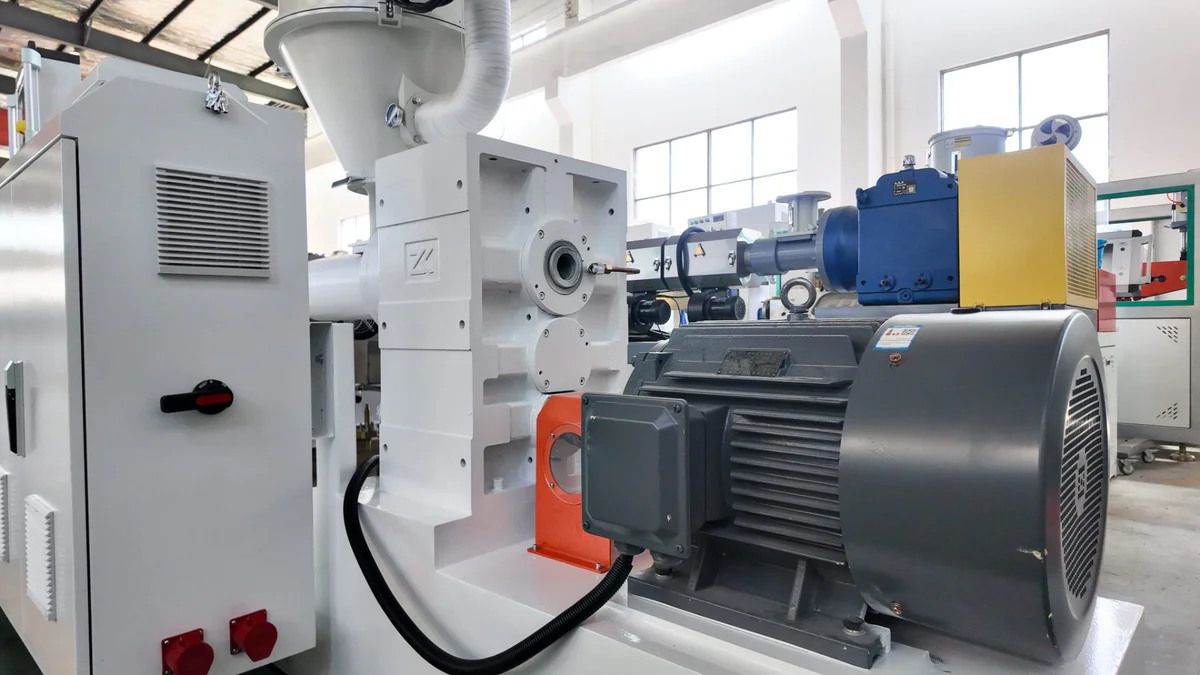
Two quotations can list nearly identical component brands and still describe completely different machines. What decides your production is whether the motor, transmission, feeding, temperature control and automation are sized for your screw, your material and your actual production load.
 01 Powertrain
The motor has to deliver the power your screw and production range demand, and a larger motor is not automatically the better specification. We match it to the processing load, screw speed and output you need.
Comparing quotations, look past the kW figure and ask which production condition that power was based on.
The transmission carries the torque your process generates in continuous running, not the motor power printed on the sheet. Selection covers screw configuration, expected torque, operating speed, lubrication and cooling.
If your formulation creates a demanding load, the transmission deserves as much scrutiny as the motor brand.
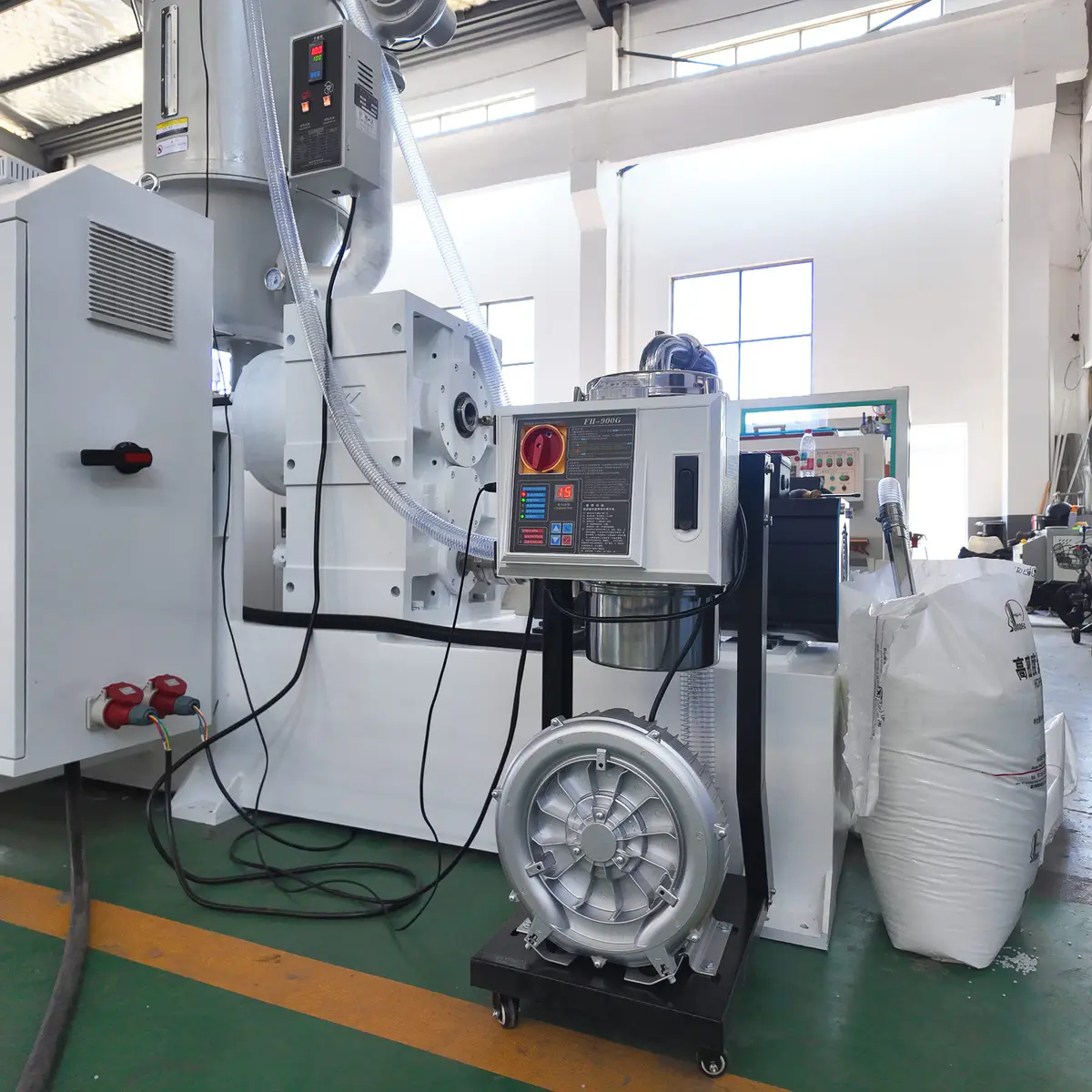 02 Process Control
Stable extrusion starts before material reaches the screw. The feeding arrangement suits your material form and the feed stability you need. Pellets, PVC dry blend and different formulations do not all want the same approach.
Accurate dosing or multiple materials involved? Tell us before the feeding system is finalized.
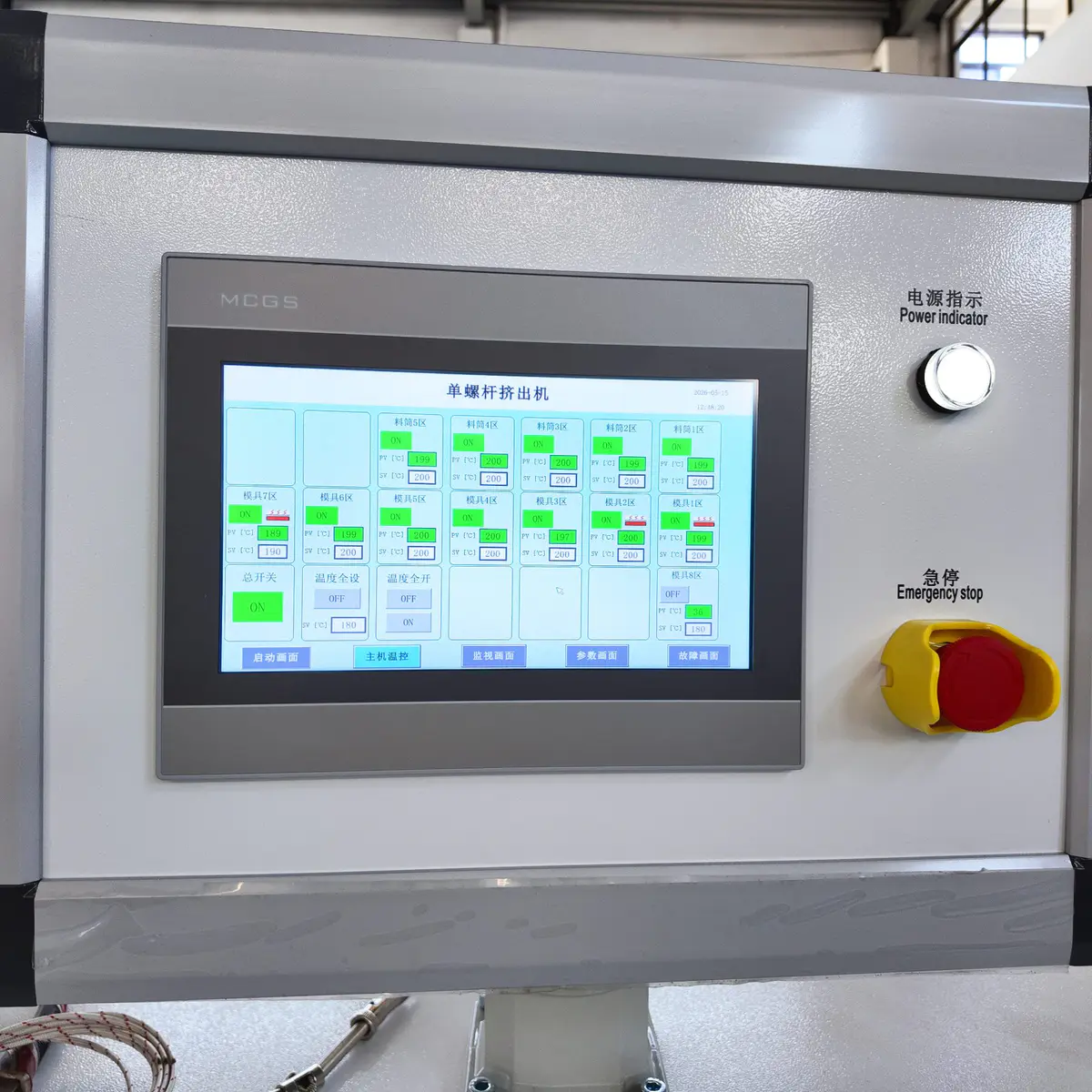
Barrel heating brings your process into range, cooling keeps it from drifting out during a long run. We set the number of control zones, the heating arrangement and the cooling method around your configuration and material.
More heater power does not produce better extrusion. Stable temperature through the whole run does.
Some processes need gases, moisture or volatiles pulled out of the melt before it reaches the die. Where that applies, we review the venting position and vacuum arrangement against your material and process.
It goes on the machine because your application needs it, not to make the specification list longer.
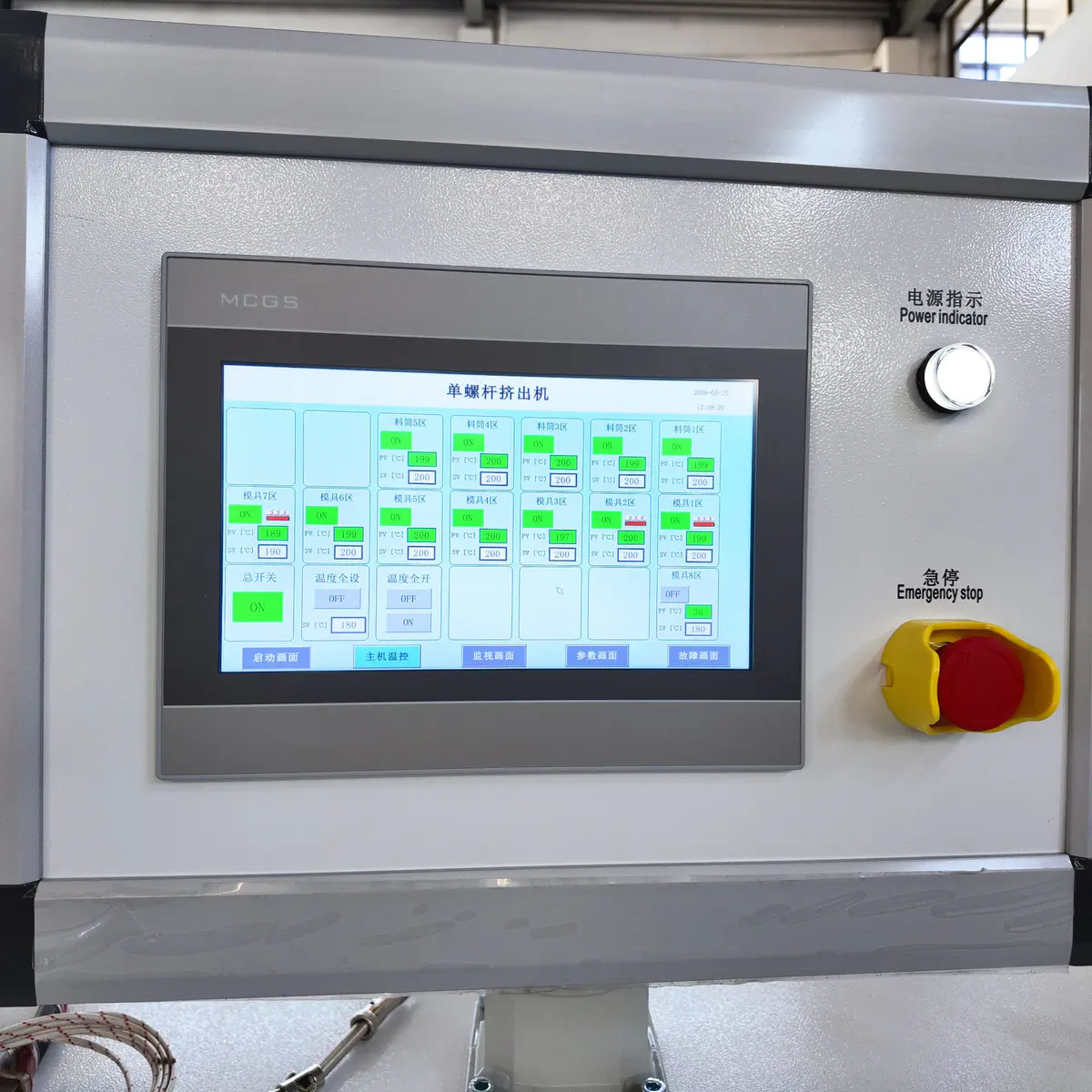 03 Automation
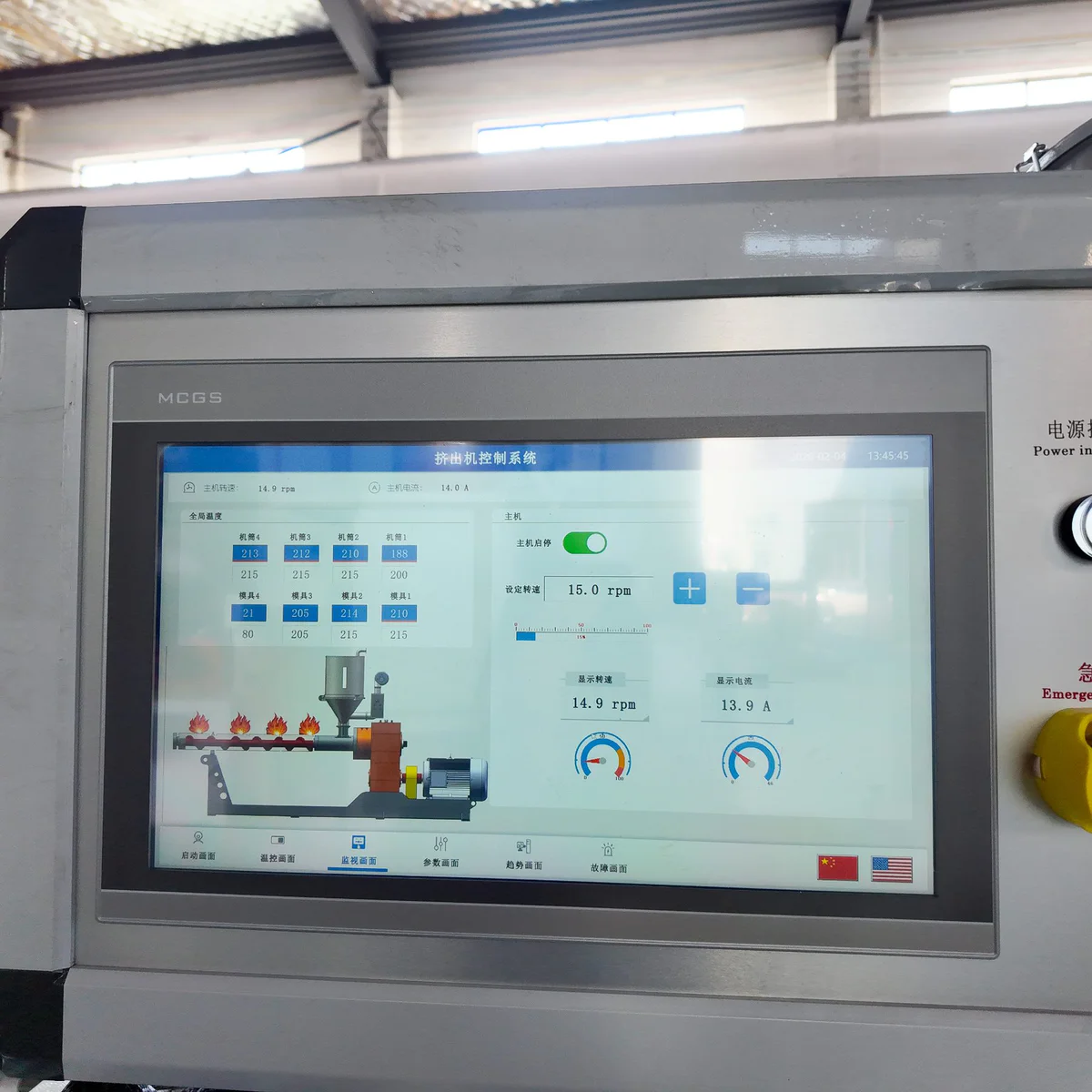
Screw speed has to stay steady when production load shifts. The drive gives you speed control across the full operating range and works correctly with the selected motor.
Comparing quotations, confirm the drive rating, not only the brand.
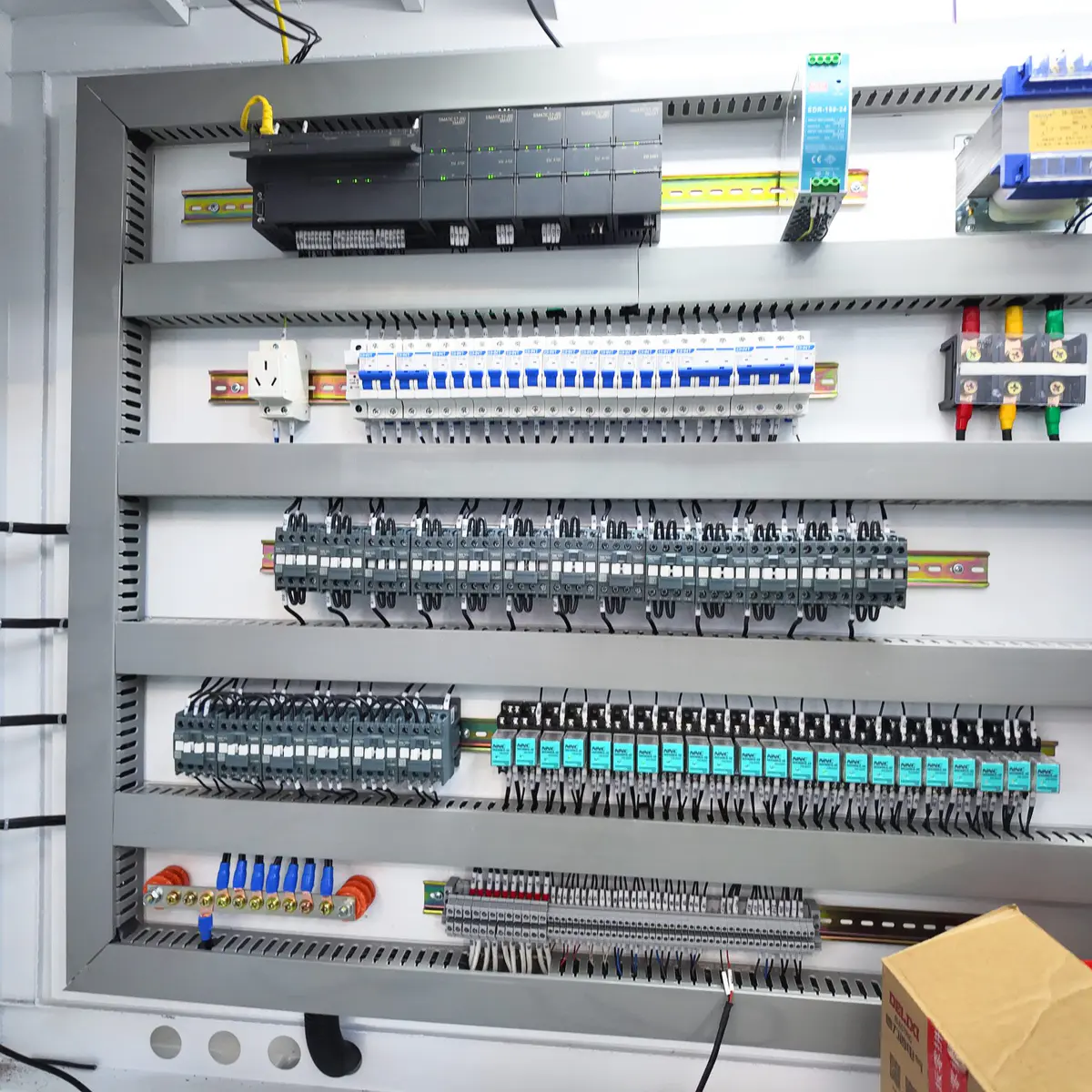
The control system exists to help your operators run the process, see what is moving and find a problem fast. Depending on the configuration, that can include:
On replacement projects we also check whether signals or communication are needed between the new extruder and your existing equipment.
Contactors, breakers, relays and temperature controllers are specified for reliable running and for maintenance you can actually perform on site.
Have preferred brands because of local spare parts or service? Tell us before the cabinet is finalized.
Reading a quotation, answer this before anything else: is each component correctly specified for my production load? Then compare on:
That gives you a real basis for putting two extruder configurations side by side. Brand names on their own do not.
A 500 kg/h extruder does not give you 500 kg/h on every material and every pipe specification. Formulation, filler content, resin grade, screw design and how you run it all move the real number. So we define the production condition first, then talk capacity.
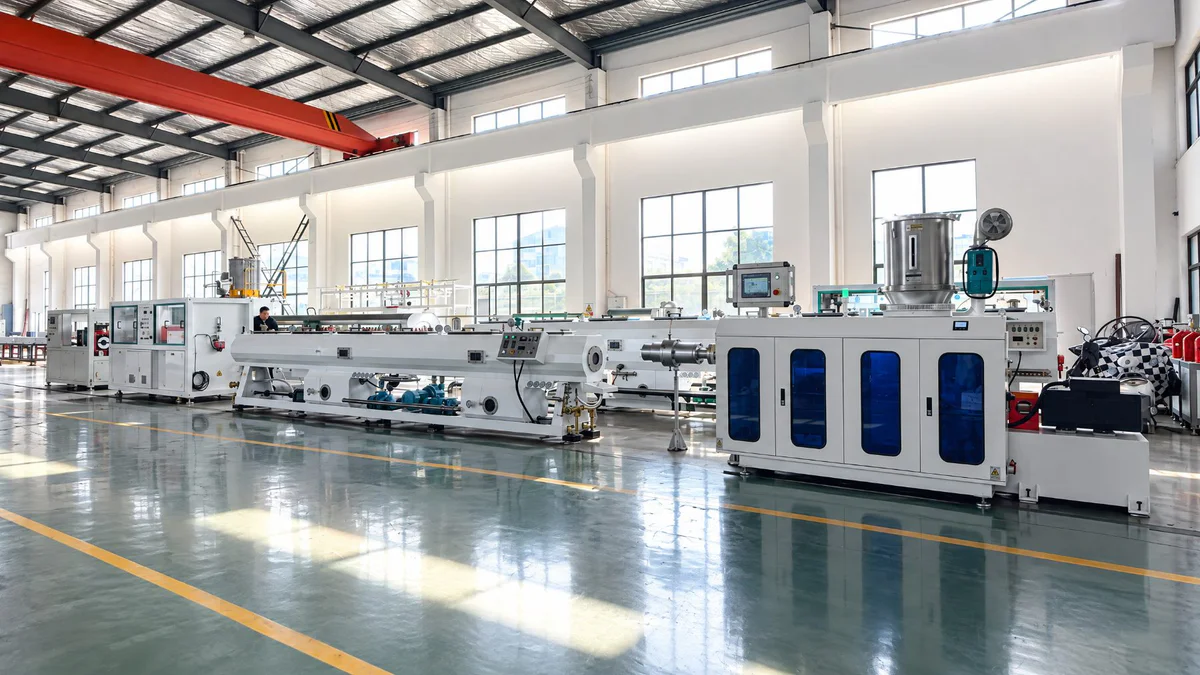
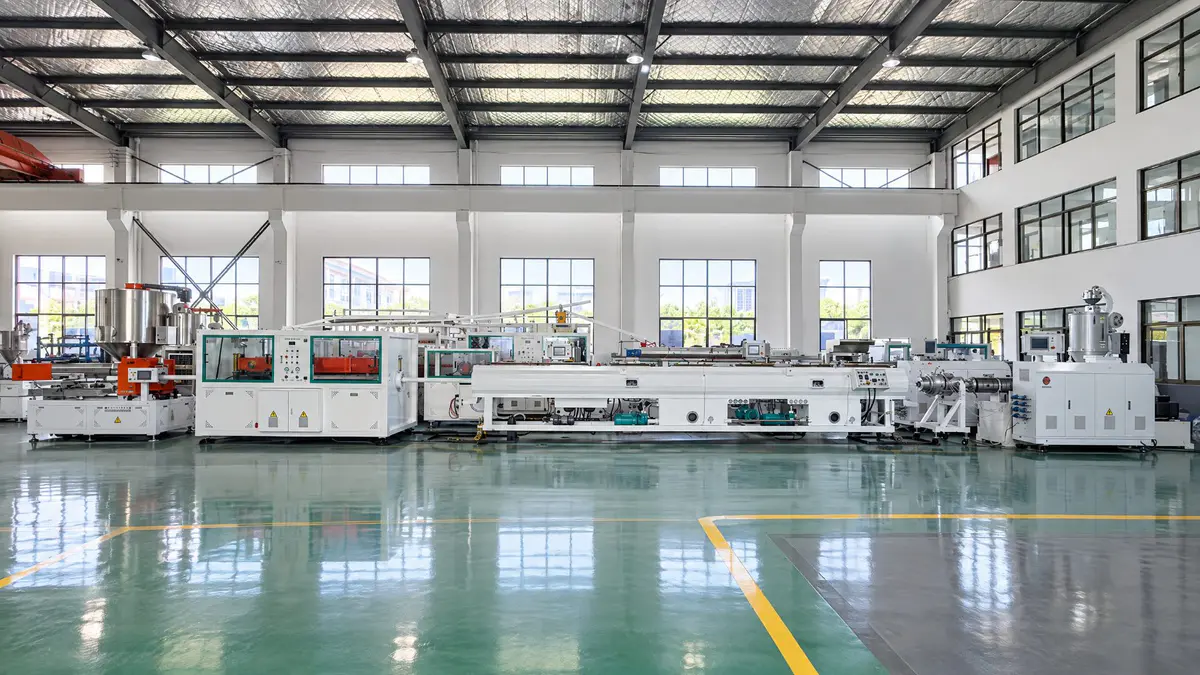
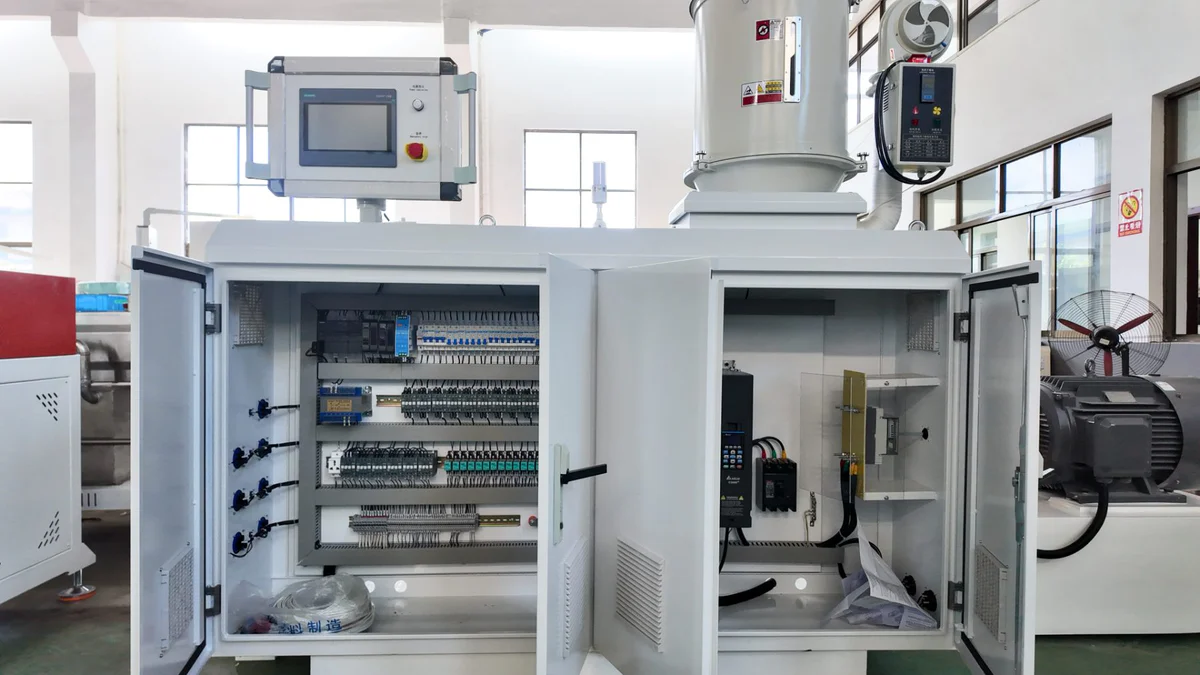
Keeping your existing die head, vacuum tank, cooling section, haul off or cutter? We check every connection point before the new extruder goes into production. The machine has to fit the line you already run, and deliver output the rest of that line can actually use.
Tap an interface point to see what we confirm before manufacturing.
Send whatever you already have. We use it to work out which interfaces still need confirming before manufacturing starts.
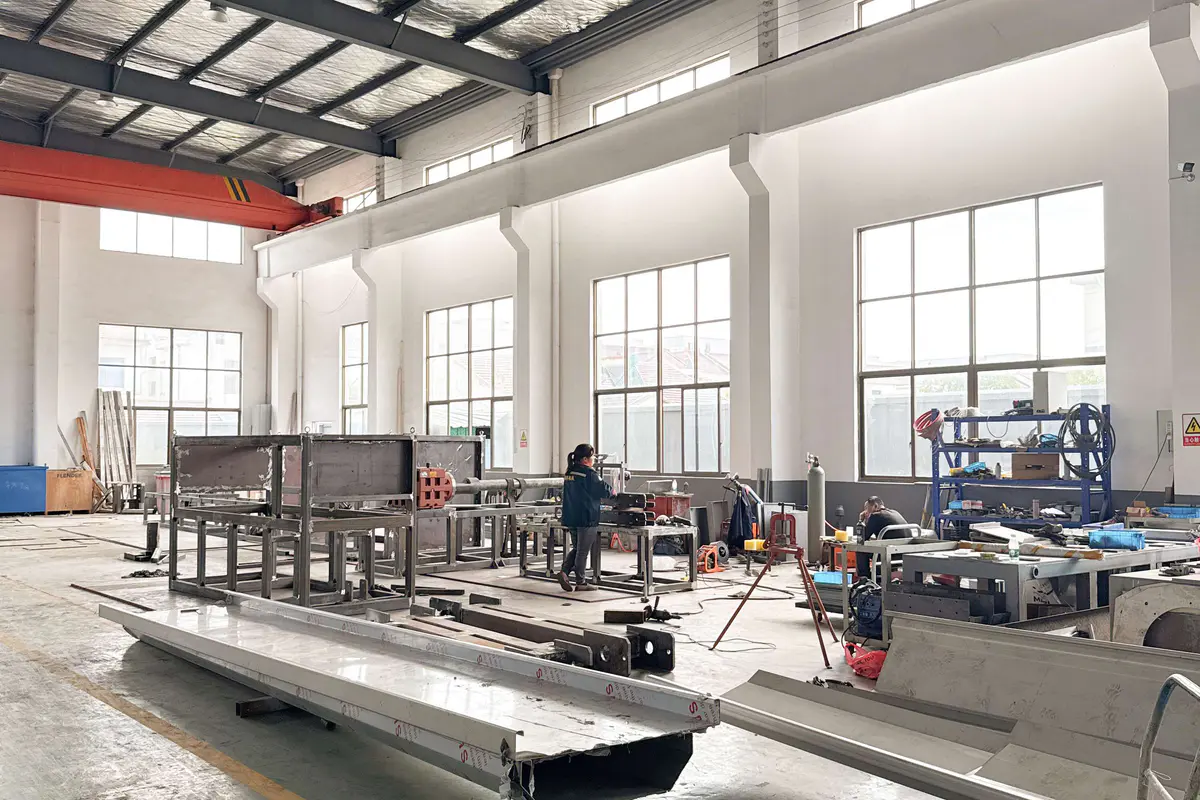
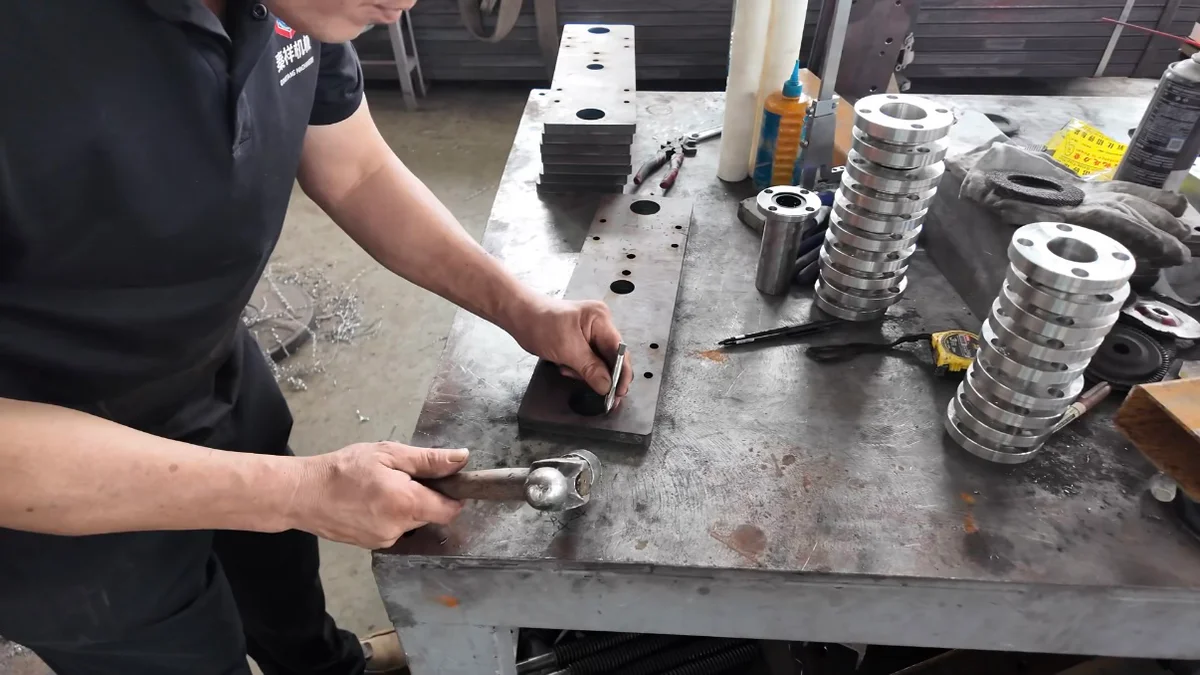
From component machining and screw and barrel preparation through assembly, electrical wiring and final testing. These are the processes and the workmanship behind the machine you receive, so you can judge the factory on what is actually manufactured and tested here.
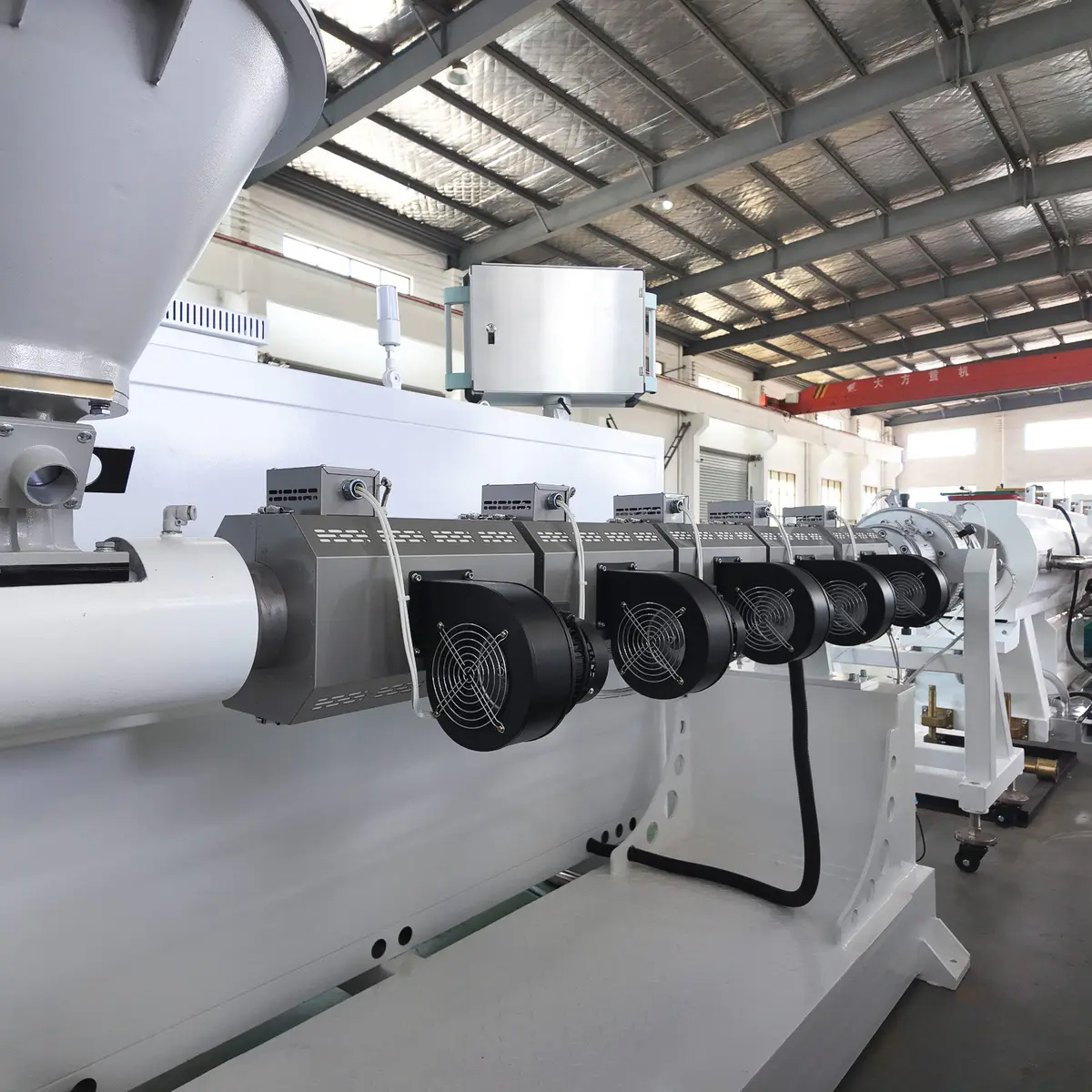
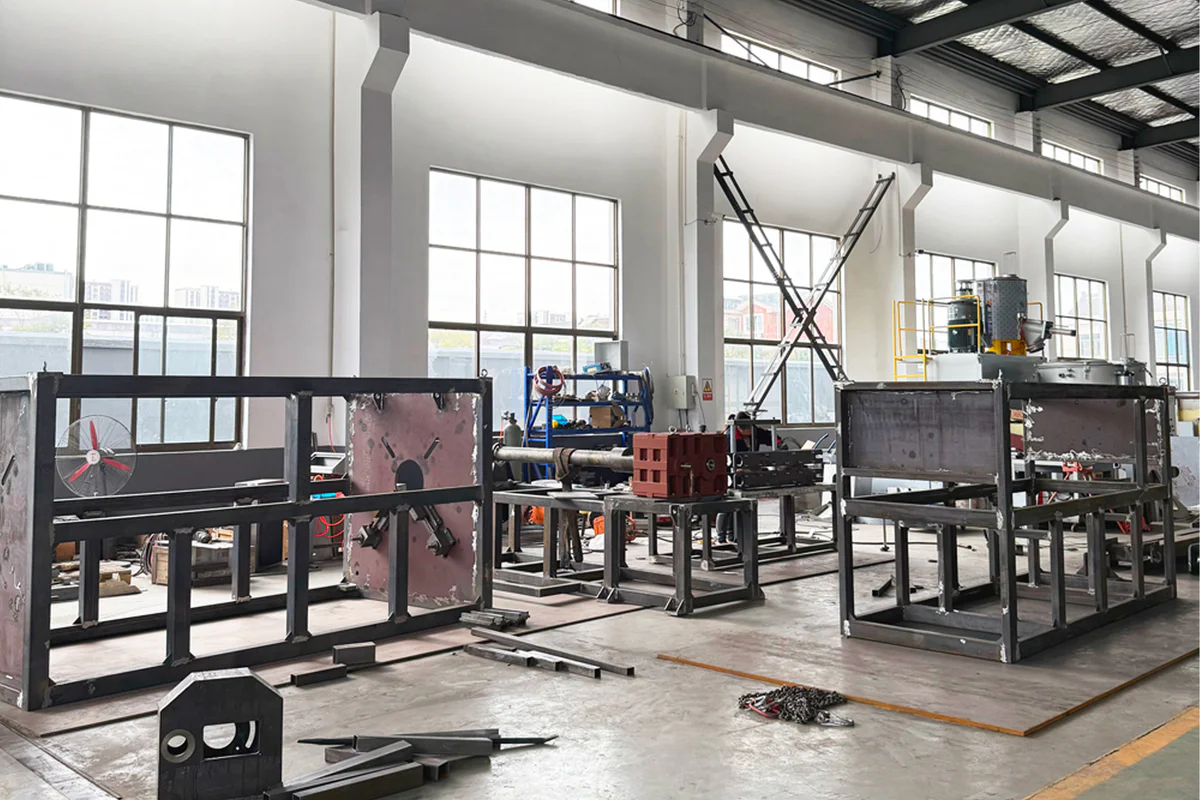
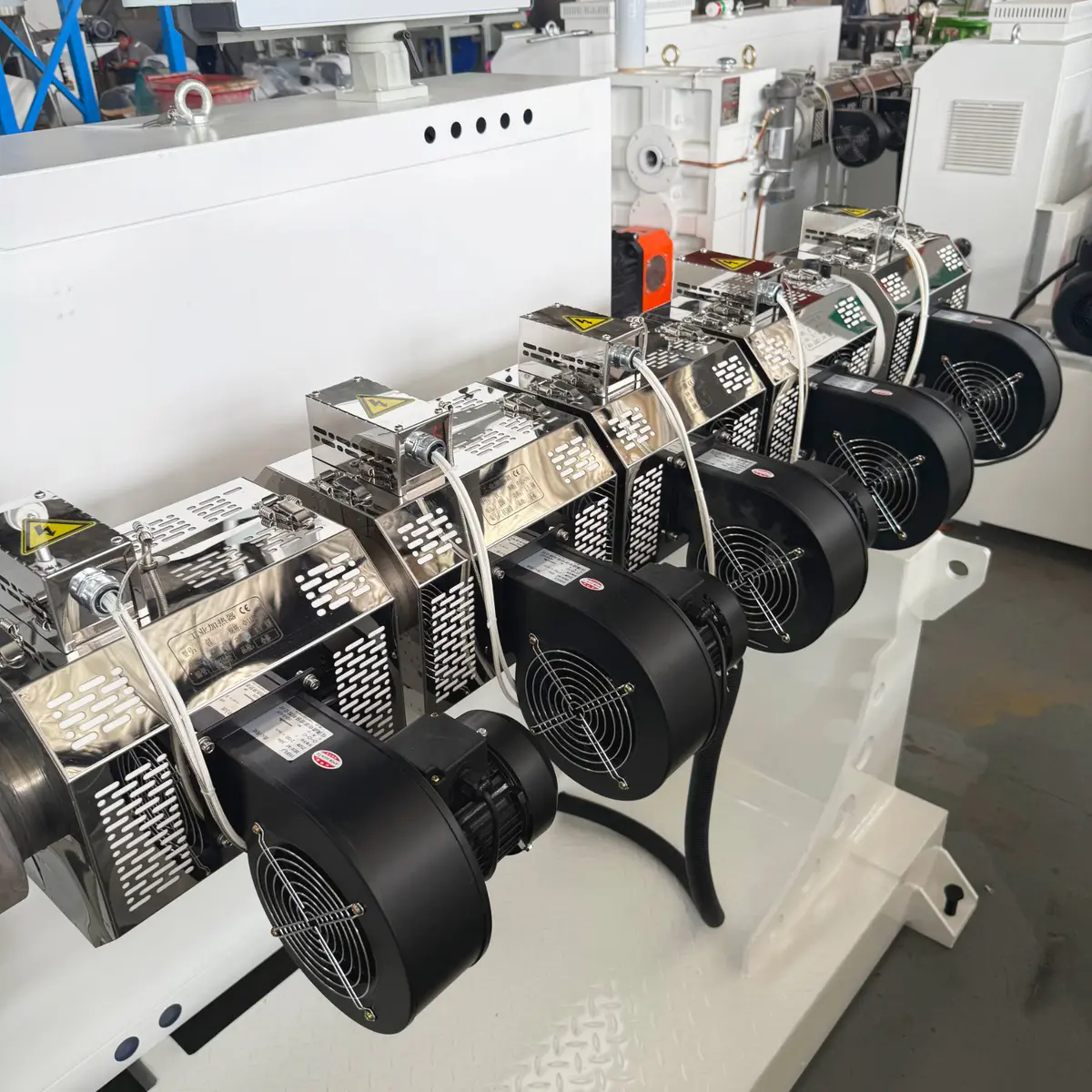
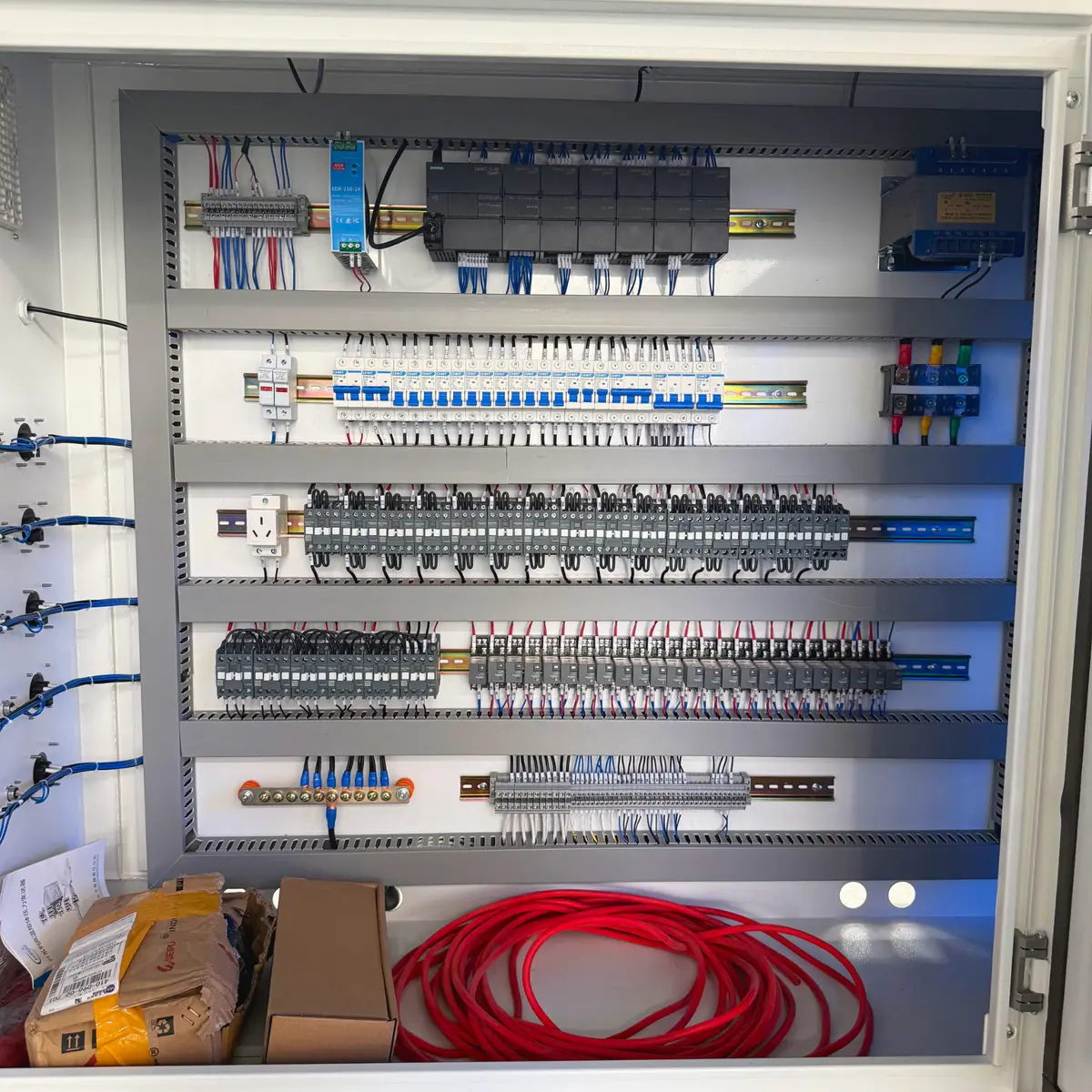
Swipe sideways for all twelve stages
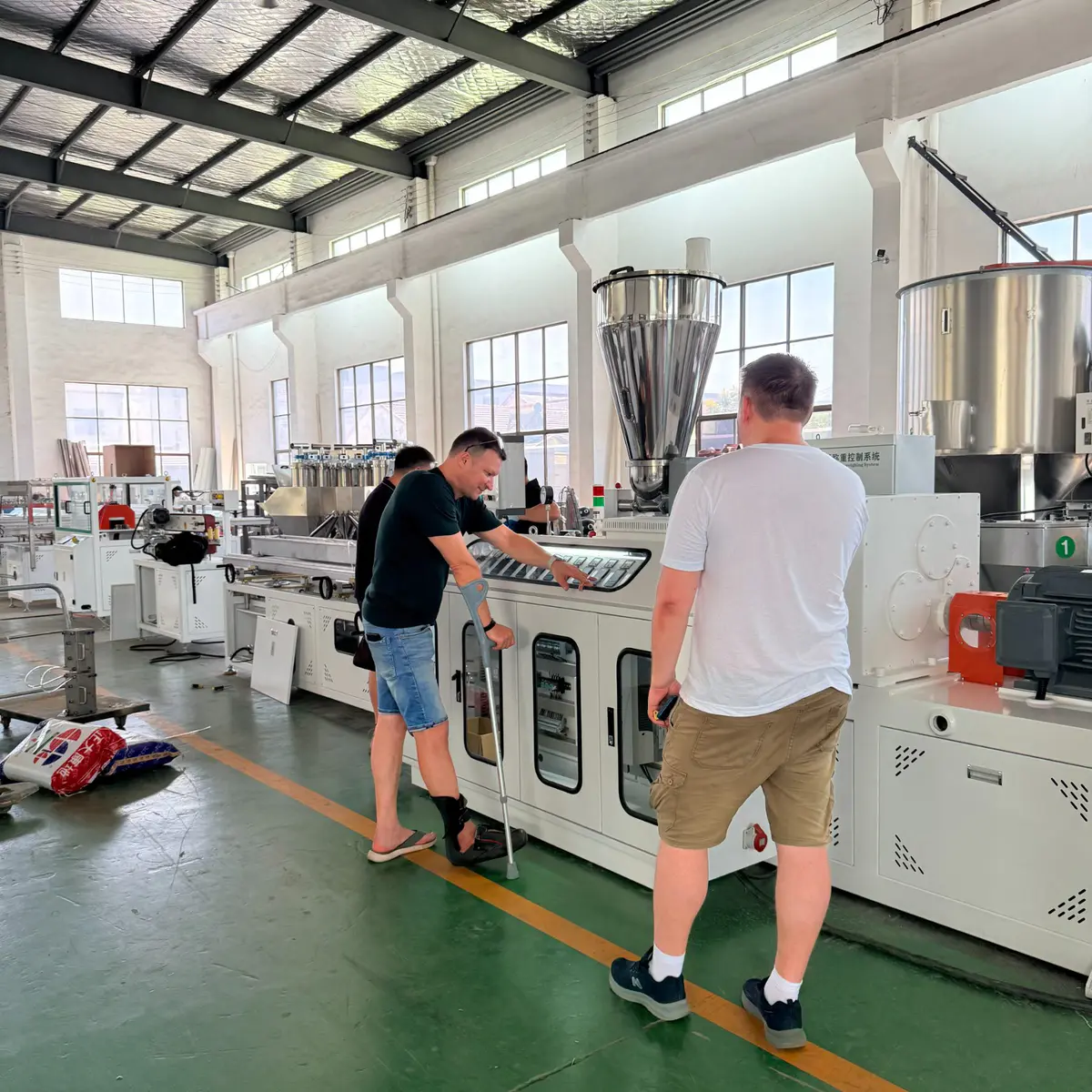
Want to see your own machine during production? We send progress photos at the stages that matter, and you are welcome to visit the factory or join a video walkthrough before shipment.
Before your extruder leaves the factory, you should be able to check more than whether the motor starts and the screen lights up. We agree the FAT scope with you against your machine configuration and the test conditions your project actually allows.
Before packing, the extruder is checked as a complete machine, not as a list of parts that were installed. Anything that needs adjusting gets handled while it is still on our floor, where fixing it costs nothing but time.
What can be included in the check:
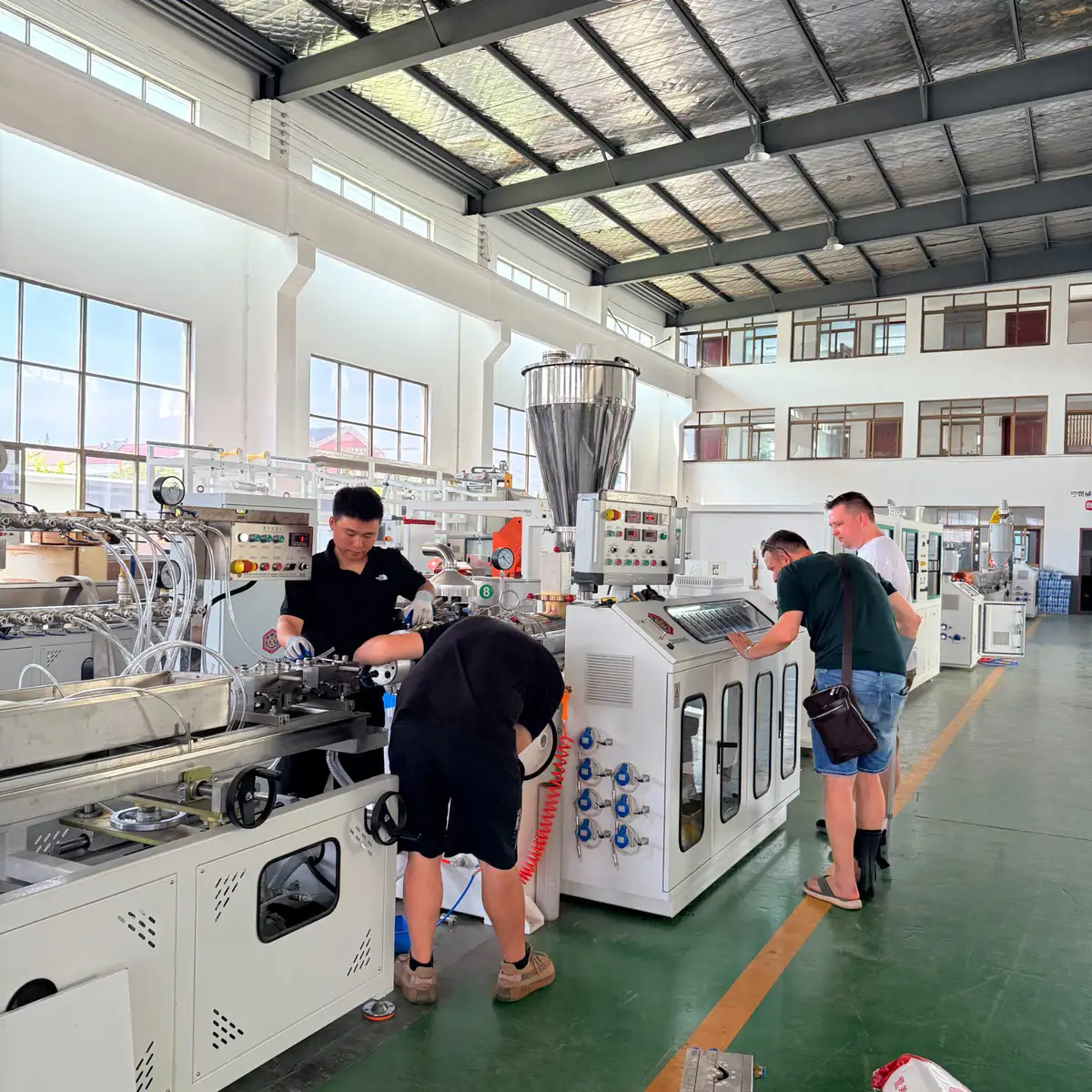
Where material testing is part of your scope and the test conditions are available, the machine runs with an agreed material instead of being checked at idle. Idle proves the motor turns. A material run tells you how the machine behaves under load.
Testing a complete pipe line? Pipe dimensions, surface condition and any other finished product checks you want can be written into the scope beforehand.
Operating data the test can record:
The agreed test conditions and the results are recorded, so you know exactly what was checked before shipment and your team has a reference to work from during installation and commissioning.
Have specific acceptance requirements of your own? Send them before the machine is manufactured. We review which items can go into the FAT and confirm them against the project specification, rather than discovering the gap on test day.
You should not be waiting on an international shipment every time a small component fails. Before your extruder leaves the factory, we go through the configuration with you and work out which parts are worth having on the shelf.
For a first order that usually covers heating elements, thermocouples, seals, lubrication parts and selected electrical components, but the actual list comes from your machine, not from a template.
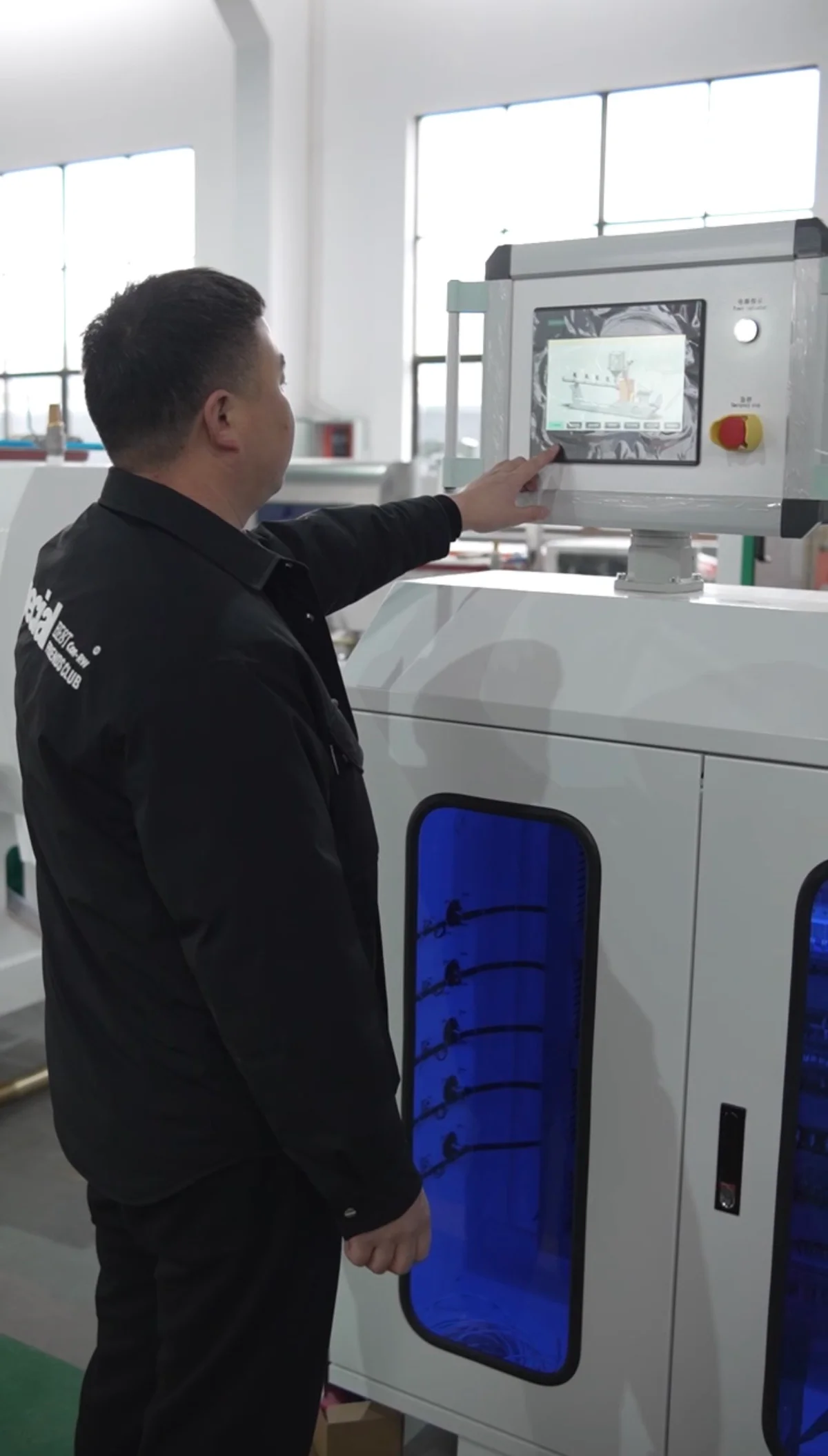
A generic spare parts package is easy to quote and mostly useless when something actually stops. What belongs on your shelf comes from your final extruder configuration, the material you run and how many hours the machine works.
We go through this with you before shipment, while the machine is still in front of us.
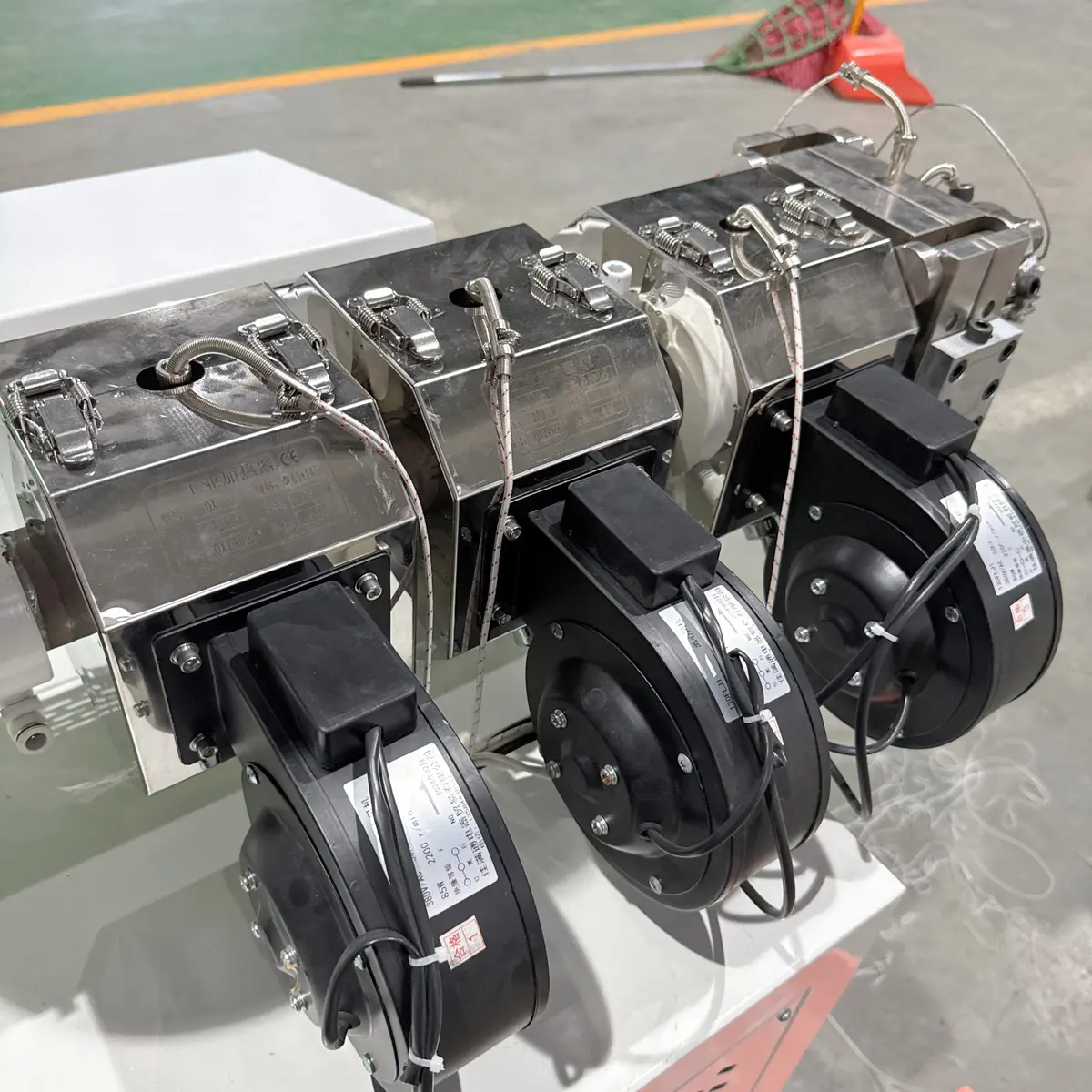
When a zone can no longer hold the temperature you set, this is usually why.
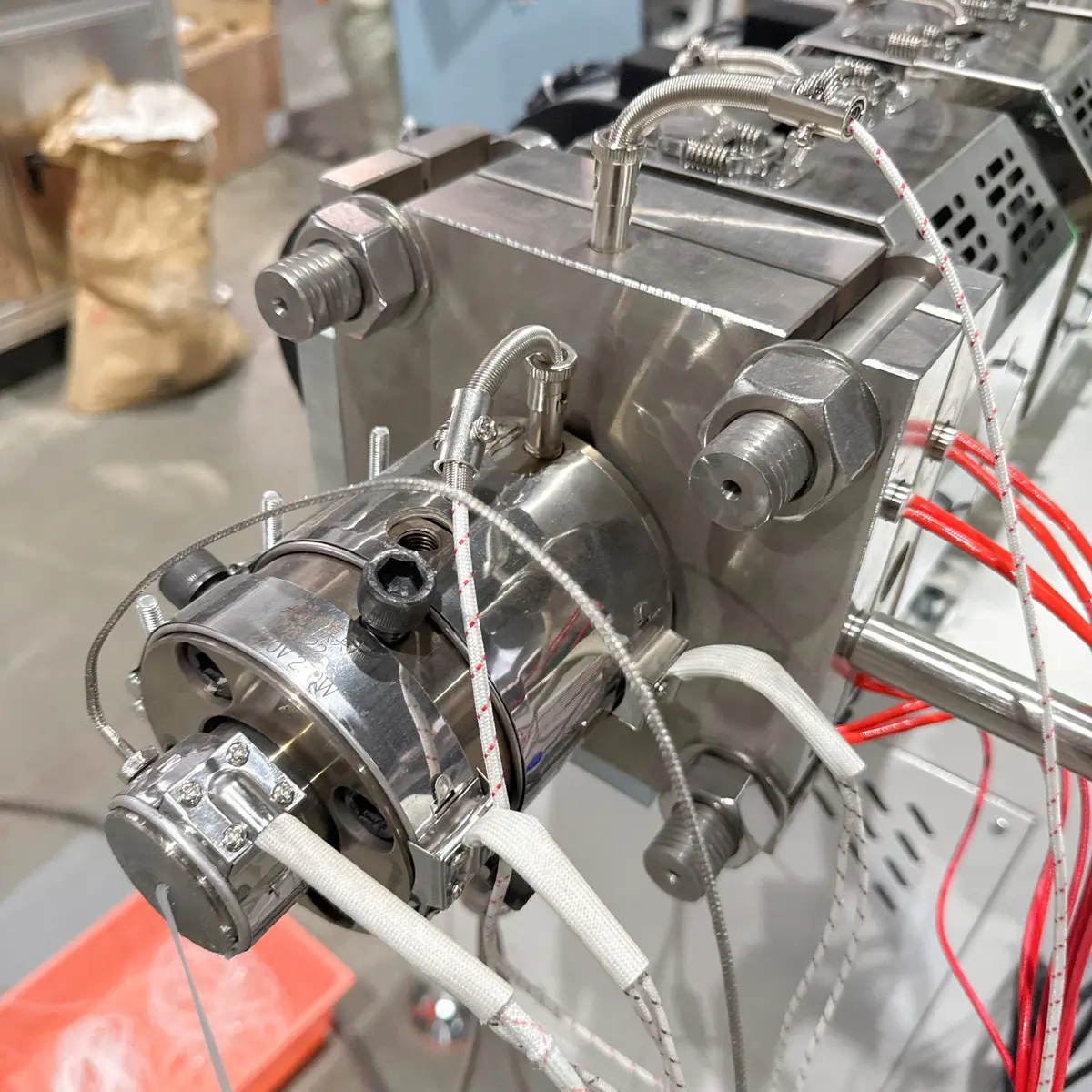
Worth stocking for temperature control troubleshooting and quick swaps.
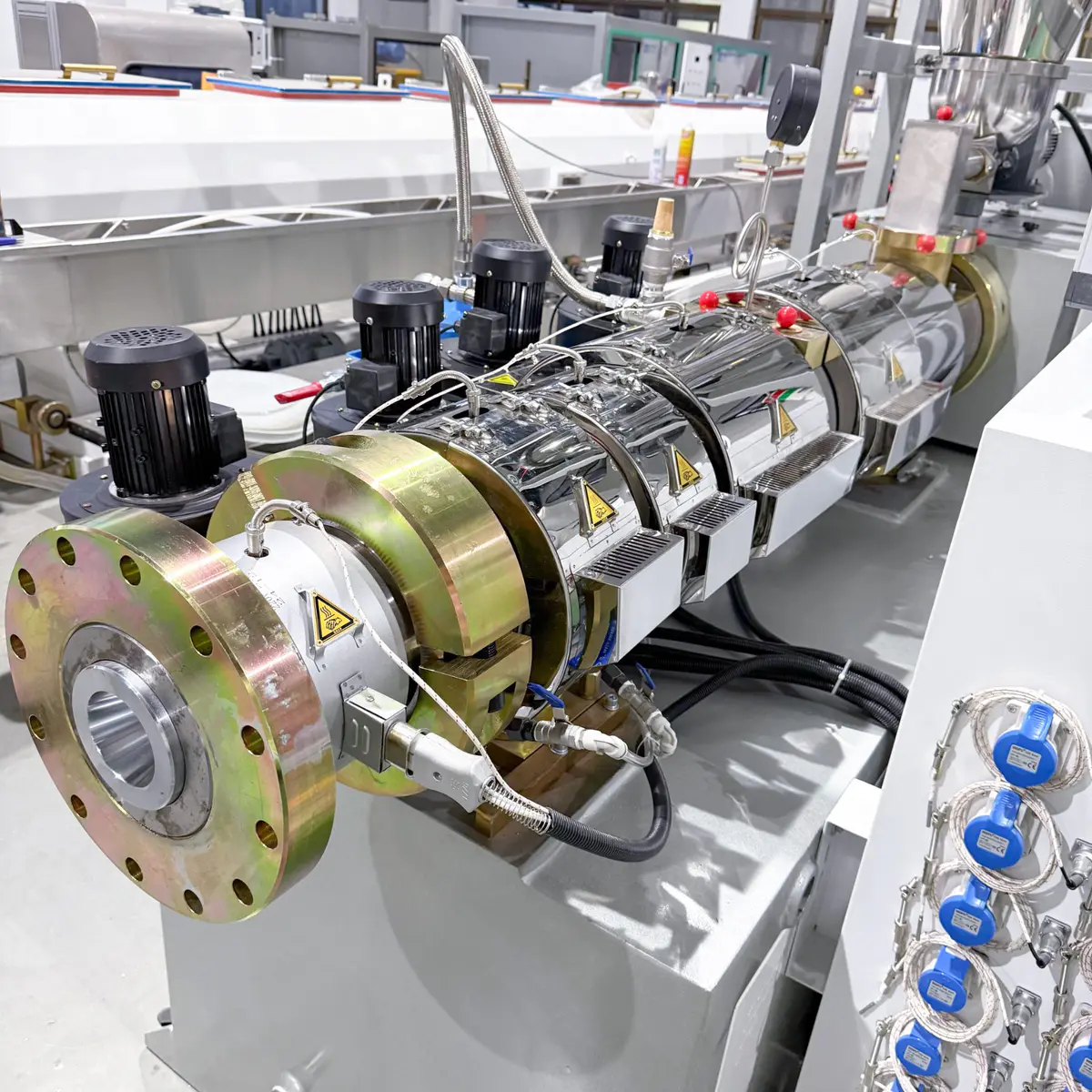
Selected against the parts and connections used on your specific machine.
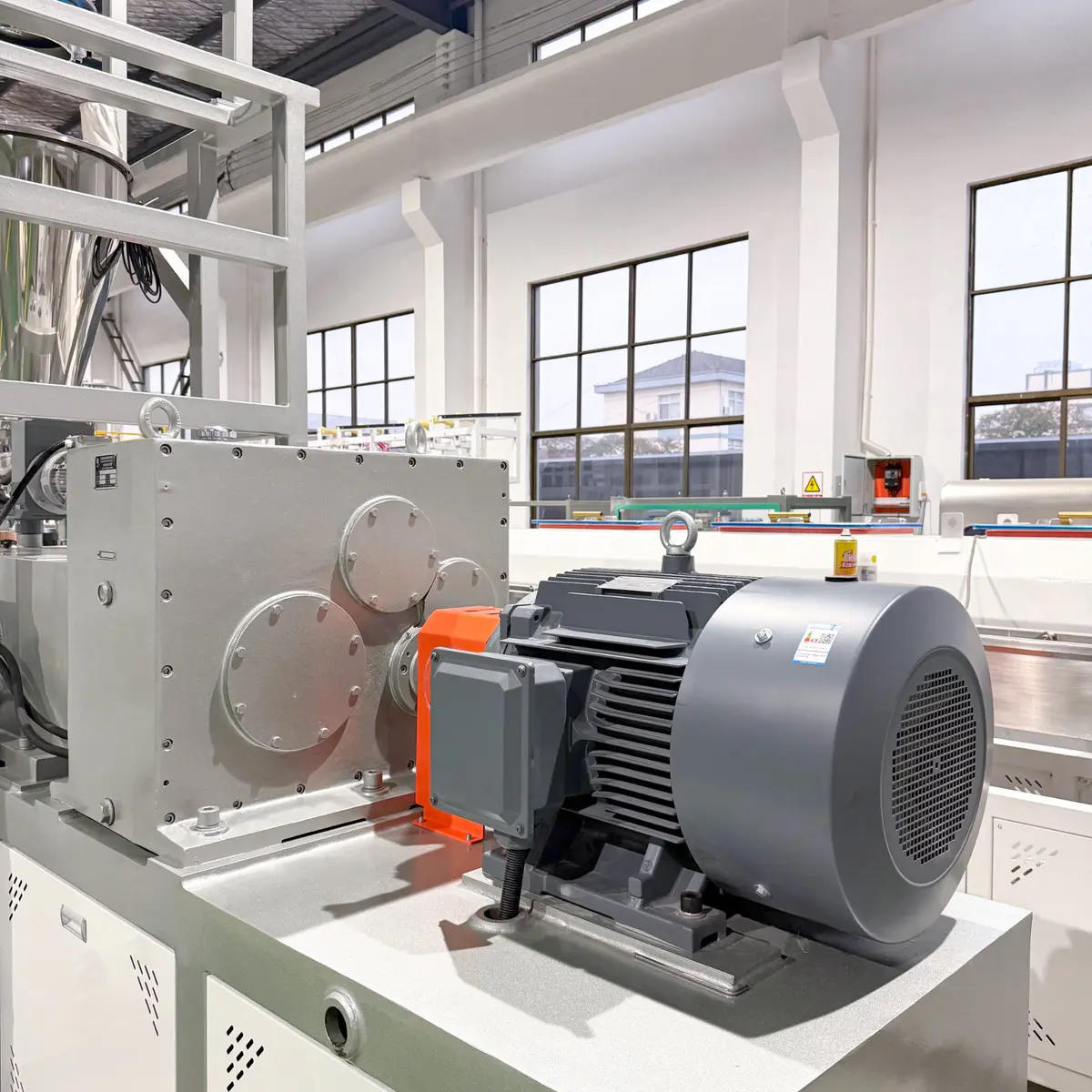
For routine servicing of the drive and lubrication systems on your machine.
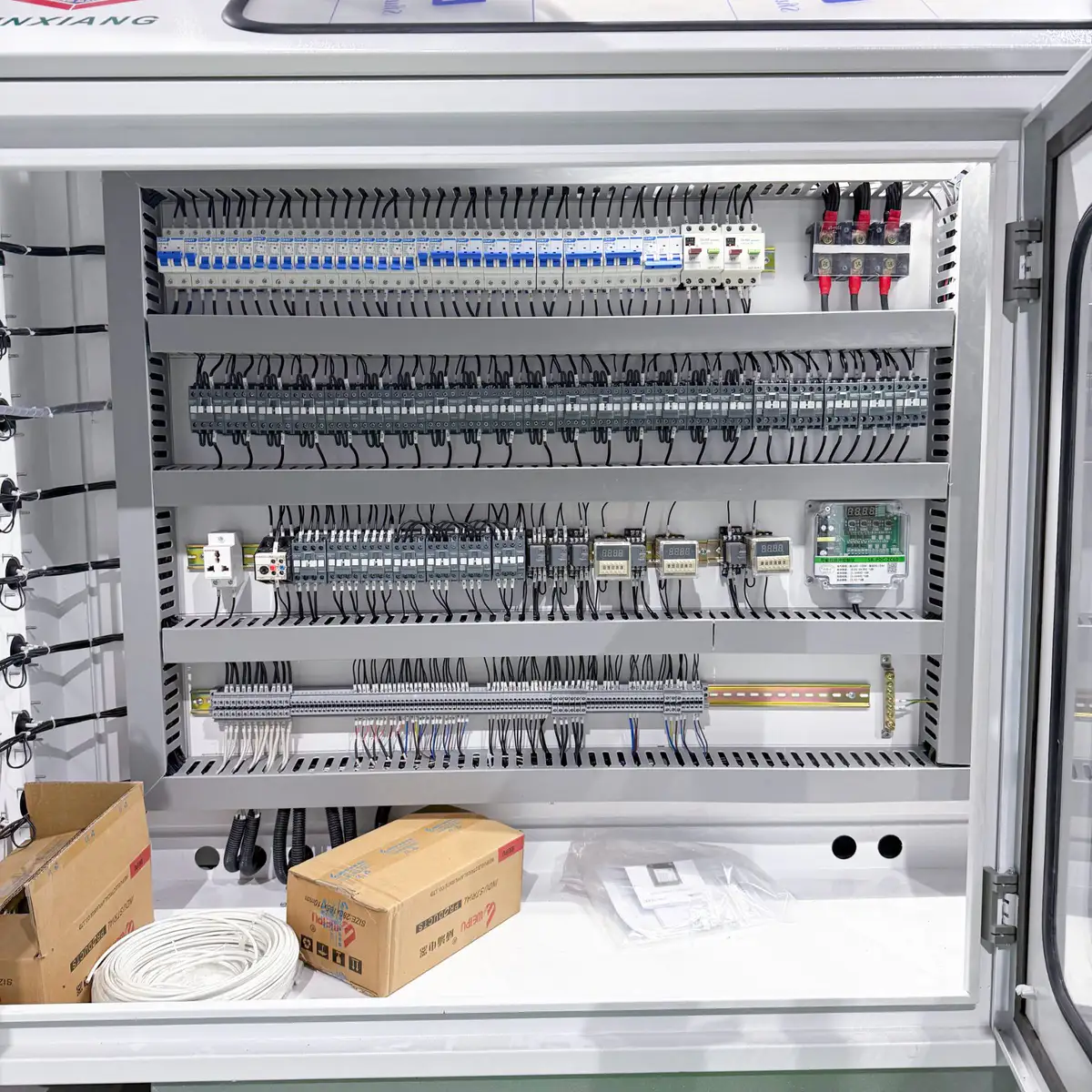
Relays, sensors and contactors chosen from your electrical configuration.
Tell us how many hours a day the machine will run and whether local supply is available for standard components. If you can source something reliably near you, we will say so rather than sell it to you.
Once your configuration is finalized we put together the recommended parts, the lubrication requirements and the items worth inspecting periodically. Adding a few components to the crate costs almost nothing now. Sourcing them across a border with a line stopped costs considerably more.
The extruder is matched to the die head and downstream equipment against your pipe material, size range and required output. Buy the machine on its own, or have the whole line configured around it.
Every interface between these stages gets confirmed before manufacturing, whether you buy one machine or the whole line.
Twin Screw
Twin screw extrusion systems for PVC, UPVC and CPVC pipe production, configured around your dry blend formulation and filler level.
Conical or parallel twin screw, matched to your pipe range and output.
Single Screw
Single screw extrusion systems for HDPE and PE pipe production, sized for stable melt across your full diameter range.
Cooling length and haul off matched to the wall thickness you run.
Single Screw
Single screw extrusion systems for PPR pipe production, built for consistent melt quality and dimensional control.
Color stripe co-extruder added where your market expects it.
Running a different material, or a size range that does not fit these three? Send the pipe you want to produce and your target output. We put together the line around that instead of pushing you into a standard package.
You do not need a finished technical specification to start. Send the four things below and we review the application first, then come back with whatever else is needed to lock the configuration.
Which resin or compound you plan to run. Working with a modified PVC recipe? The base material is enough for a first review.
Examples: PVC, HDPE, PE, PPR, PE-RT, or something else
The smallest and largest diameter you intend to produce. The range matters more than any single size, because it sets the capacity the machine has to cover.
Example: 20mm to 110mm
In kg/h if you know it. Not sure yet? Send your pipe specification instead and we work out the suitable production range with you.
Example: 300 kg/h
Which situation you are in. It changes the whole review, because a replacement has to fit equipment you already own.
Pick one: New production line, or replacing an existing extruder
Optional, if you have it: pipe drawing, formulation with filler and recycled content, existing machine model and current output, machine photos, your voltage and frequency, and how many shifts a day the line will run.
Start with what is already on your desk. The rest gets confirmed during the configuration review.
The questions buyers ask us most often, answered the way we would answer them on a call. If yours is not here, send it over and we will answer it directly.
PVC pipe normally runs on a twin screw extruder, because PVC dry blend needs controlled feeding, plasticization and temperature management to process cleanly.
Conical and parallel twin screw designs both work for PVC. Which one suits you comes down to your formulation, filler content, pipe range and required output, not the word PVC on its own.
For HDPE, PE, PPR and PE-RT pipe production, a single screw extruder is the normal starting point.
Screw diameter and configuration still have to match your resin, required kg/h, pipe range and operating conditions. A larger screw is not automatically the better choice, and often it is the more expensive way to run the same pipe.
Not from pipe diameter alone. We review material, formulation, pipe diameter, wall thickness or SDR, target output and line speed together.
If you have an existing line, the capacity of the die and downstream equipment goes into the same review. That gives a real basis for choosing screw size, drive and processing configuration.
It depends how close the materials and their processing requirements are. A machine designed around a range of compatible polyolefins can cover several products with the right setup.
PVC dry blend and HDPE pellets are a different story. Their feeding and processing behavior have little in common, and changing temperature settings does not bridge that. Tell us every material you plan to process before the configuration is finalized.
They change feeding behavior, processing load, melt characteristics and wear inside the screw and barrel. All four at once, usually.
For PVC carrying CaCO3 or other fillers, we need the approximate formulation before reviewing screw geometry, torque and wear protection. Same applies when recycled material makes up a meaningful share of your production.
Output only means something attached to defined production conditions. Rather than treating a catalogue maximum like 500 kg/h as a universal figure, we define your material, formulation and production requirement first.
Where suitable material testing is available, the agreed output can go into the FAT scope. That gives both sides a reference, instead of a number with no conditions behind it.
Yes, where the existing equipment is technically suitable. The interfaces just need reviewing before manufacturing rather than after delivery.
On a replacement we normally check die connection, extrusion center height, available installation space, current line capacity, electrical requirements and any control signals needed.
Raising output? We also confirm your existing die, cooling section, haul off and cutter can carry the new rate.
Not on motor kW. That figure tells you installed drive capacity, not the electricity behind one kilogram of finished pipe.
Where energy data exists, kWh/kg is the more useful reference, provided the material, production rate and measurement boundary are stated with it. Always confirm whether the figure covers the extruder only or the complete production line. The difference is large.
The scope depends on your machine configuration and the test conditions available. Basic checks cover drive operation, screw rotation, heating and cooling control, electrical functions, alarms and safety functions.
Where material testing is included, useful data covers actual output, screw speed, motor load, melt temperature, melt pressure and continuous running time. If a complete line is assembled for the test, agreed finished pipe checks can be added.
There is no honest fixed number that covers every application. Wear depends on resin, filler content, recycled material, operating hours, processing conditions and the wear protection specified on the unit.
A standard PVC formulation and a high filler formulation produce very different wear. For demanding materials, tell us the formulation before the processing unit is specified. In production, inspect based on actual condition and performance, not because a certain number of years has passed.
Question not covered here? Send it with your pipe specification. Maggie answers directly, and if it needs an engineer she brings one in rather than guessing.
Material, pipe range, wall thickness, target output and voltage. That is enough for a real configuration and a quote back within 24 hours.

Maggie
Sales, QTech Machinery
Replies within 24 hoursEvery message from this page reaches me directly. Tell me what you need to produce and I come back with a machine configuration, drawings and a real quote, not a brochure.
If something in your existing line is going to limit the machine, I will tell you that too, before you order.
Maggie
Sales, Zhangjiagang Qinxiang Machinery Co., Ltd.
Fields marked are required.